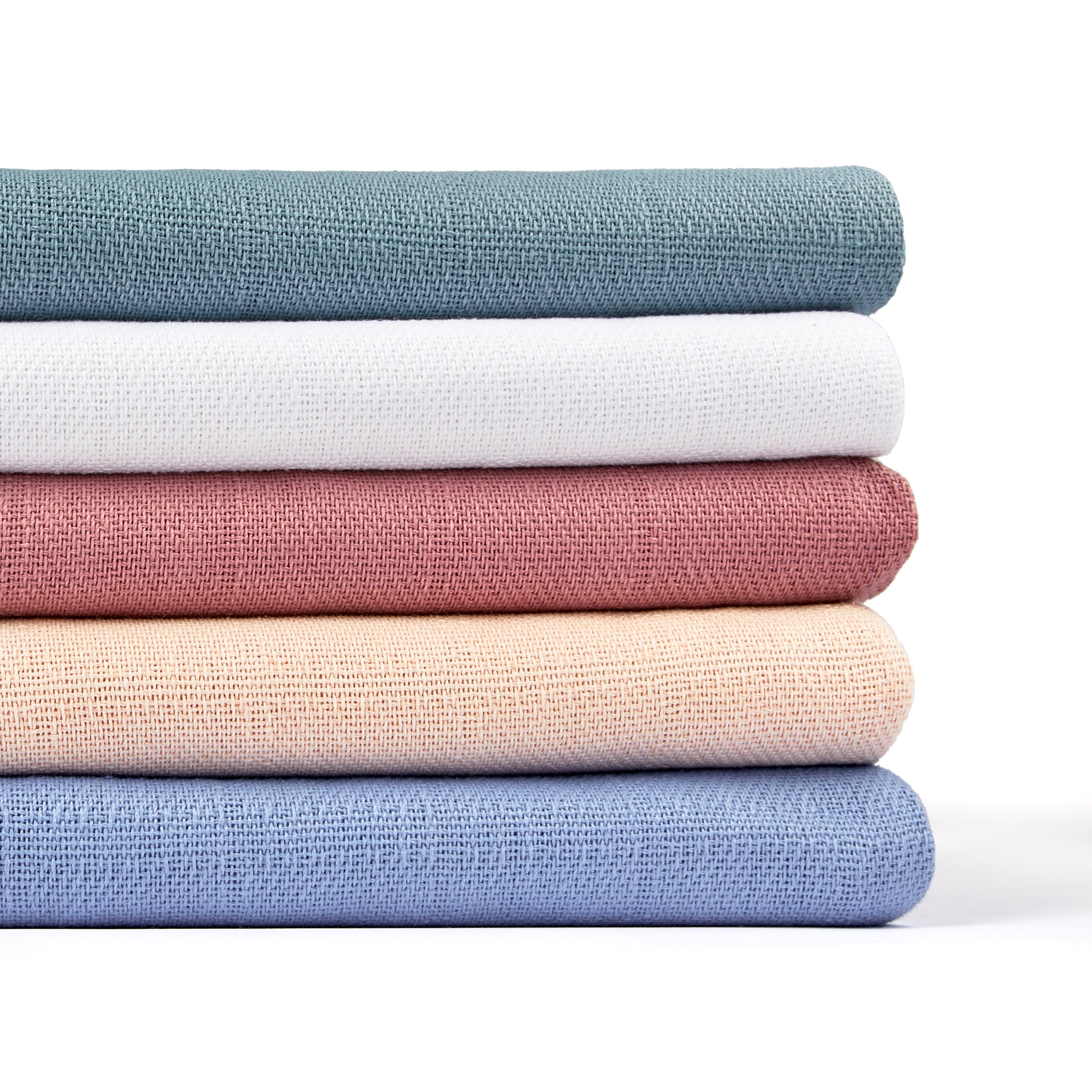
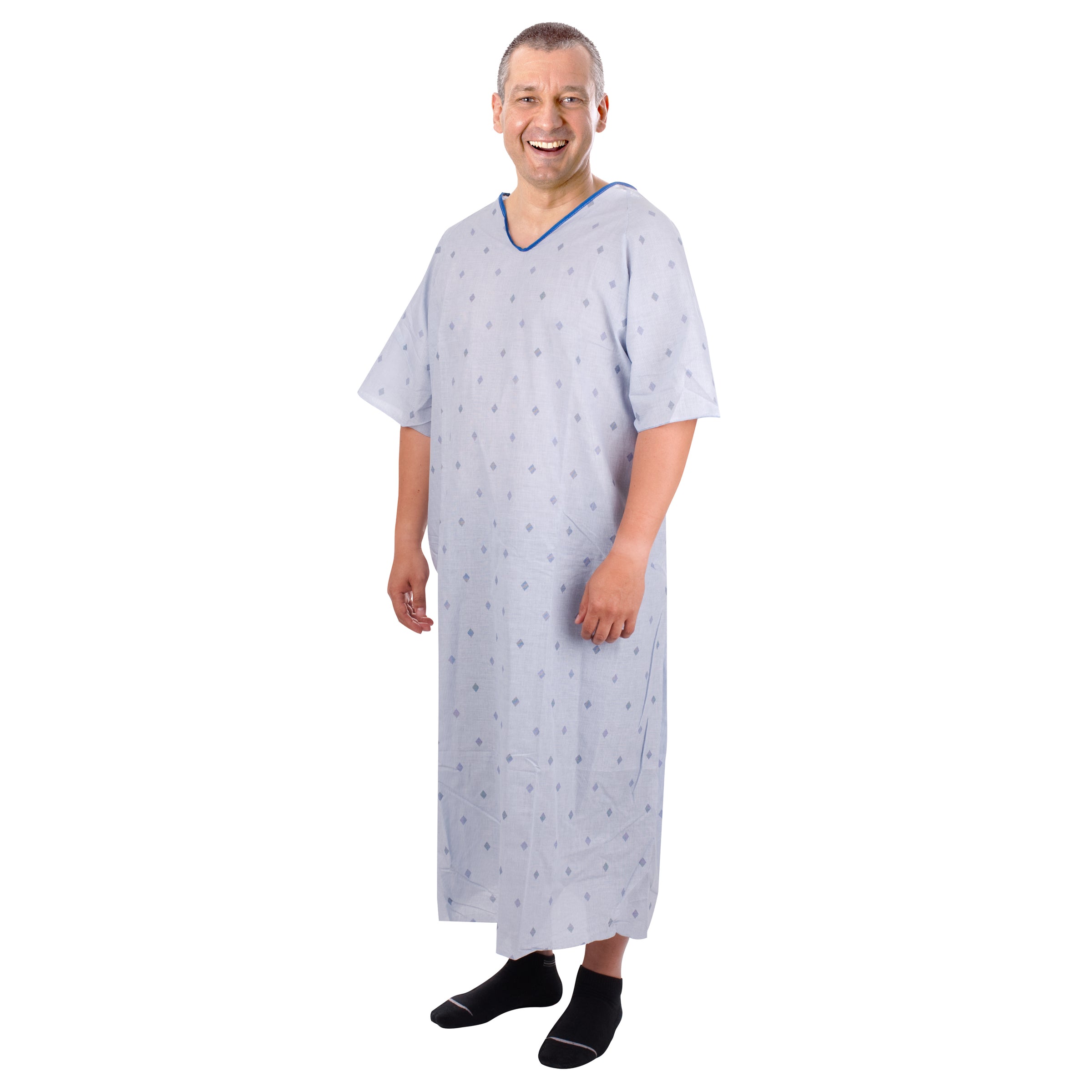
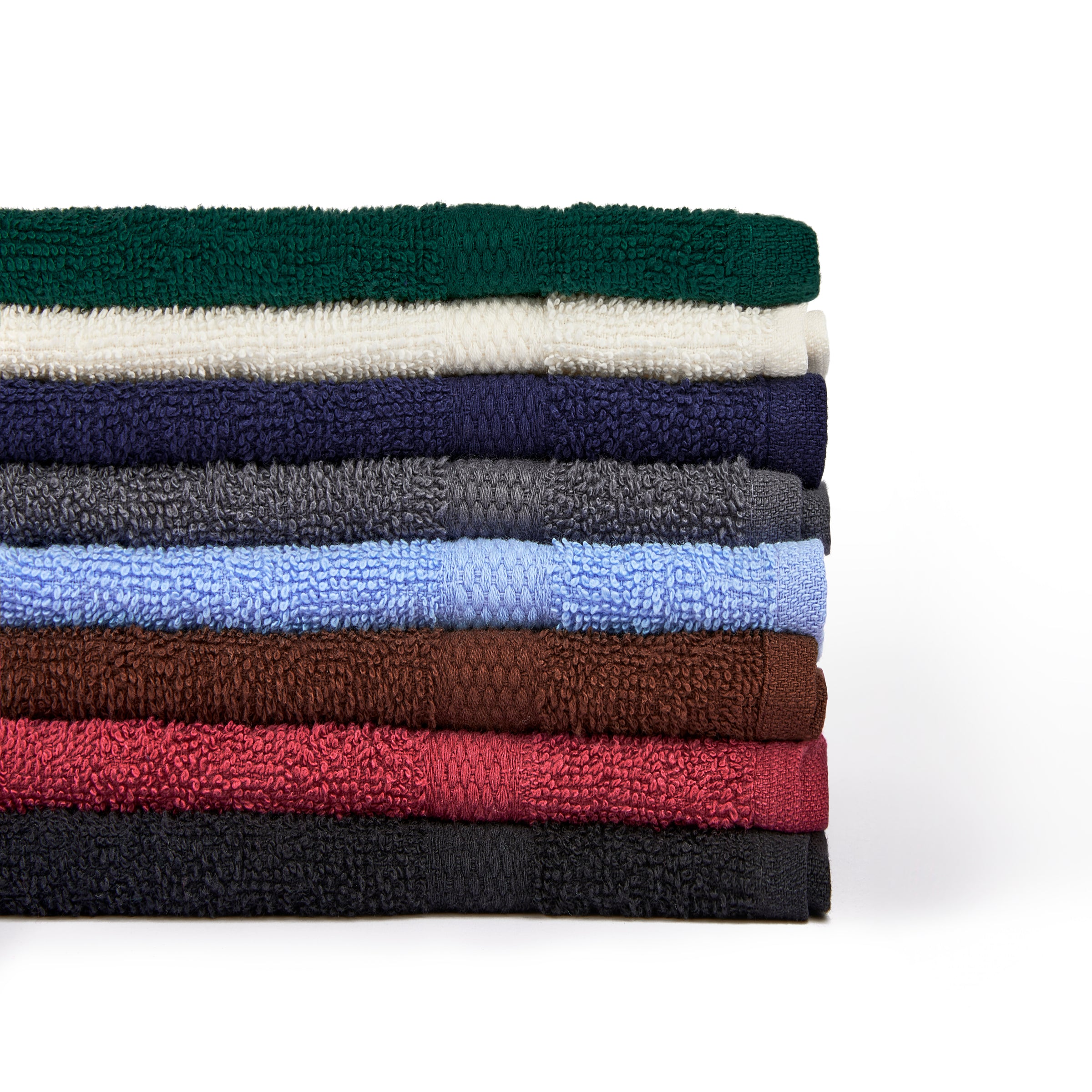
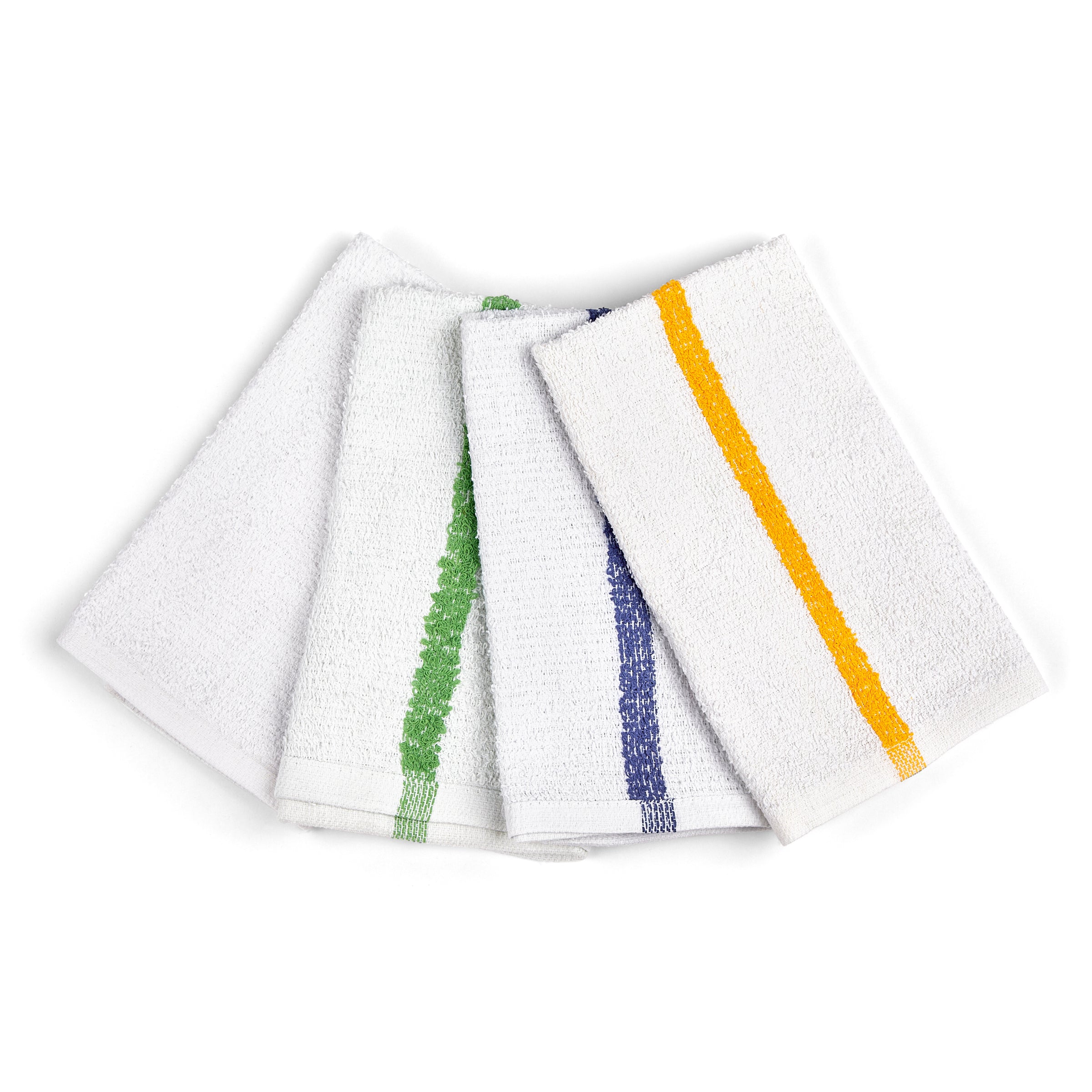


Check out our hospital bath blanket collection page!
Hospital bath blankets go through a lot—warmth, comfort, spills, and the occasional “how did that happen?” moment. The good news: when you run a clear, repeatable laundry process, the infection risk from healthcare laundry is generally considered low—but only when linens are handled, moved, cleaned, and stored the right way (Virginia Department of Health linen management quick guide).
This guide is written for hospital laundry managers, linen services, and small clinic owners in the U.S. It’s not meant to replace your facility’s policy—it’s meant to help you tighten it.
Quick checklist you can post in the laundry room
Use this as a fast “did we do it?” check at the end of a shift:
-
Keep soiled bath blankets contained from the moment they come off the bed.
-
Don’t shake or snap linens—handle them gently.
-
Sort by soil level and leak risk before washing.
-
Run a wash process that matches healthcare-linen guidance (time, chemistry, action, and temperature).
-
Dry fully before folding or packing.
-
Protect clean blankets from re-contamination during handling and transport.
-
Store clean blankets in a clean, dry place—separate from soiled holding.
-
Track damage and retire blankets that can’t be cleaned or are breaking down.
The 6 laundry rules for hospital bath blankets
Each rule below includes:
-
What to do (plain and practical)
-
Why it matters (in one sentence)
-
A copy/paste SOP line you can drop into your policy
Rule 1: Treat every used bath blanket as “contaminated laundry” until it’s cleaned
What to do
-
Put used blankets directly into the right container (bag, hamper, cart liner) at point-of-use.
-
Keep wet or leaking blankets in a leak-resistant bag or container.
-
Train staff to keep soiled blankets away from uniforms and skin.
Why it matters
-
In the U.S., “contaminated laundry” handling requirements show up in worker-safety rules for workplaces that may involve blood or other potentially infectious materials (OSHA Bloodborne Pathogens standard, 29 CFR 1910.1030).
SOP line
Used bath blankets must be placed in designated soiled-linen containers immediately and handled as contaminated laundry until processed.
Rule 2: Sort with a purpose (not out of habit)
What to do
Sort bath blankets using the fewest categories that still protect quality and safety:
-
Normal soil: routine daily use.
-
Heavy soil: visible body fluids, significant staining, or strong odor.
-
Wet/leaking: anything that can drip through a bag or cart.
If you’re a small clinic and sorting space is tight, keep it simple:
-
Separate wet/leaking from everything else.
-
Separate heavy soil from everything else.
Why it matters
-
Sorting helps you avoid “problem loads” that can spread moisture or soils into other textiles.
SOP line
Sort bath blankets by soil level and leak risk; keep wet/leaking and heavy-soil loads separate from routine loads.
Rule 3: Wash using healthcare-linen guidance as your baseline
What to do
Build your wash process around these basics:
-
Wash action: don’t overload—blankets need room to move.
-
Time: give your cycle enough time to clean and rinse.
-
Chemistry: use your facility-approved detergent and additives.
-
Temperature: follow your process requirements and textile care labels.
If you outsource to a linen service, ask them to describe their controls for wash formula, testing, and process checks.
Why it matters
-
Healthcare settings use laundry process guidance that focuses on consistent handling, washing, and drying to keep linens hygienically clean (CDC guidance on laundry and bedding in healthcare).
SOP line
Bath blankets must be processed using an approved healthcare-linen wash formula with defined time, chemistry, action, and temperature parameters.
Rule 4: Dry fully—then handle clean blankets like they’re already “done”
What to do
-
Dry blankets completely before folding or packing.
-
Move blankets to the “clean side” (or clean workflow step) right after drying.
-
Use clean hands (or clean gloves, if that’s your policy) for folding and packaging.
Small clinic tip: if you don’t have a formal “clean room,” create a clean folding zone that is:
-
away from soiled holding
-
not used for unpacking soiled linen
-
wiped down on a set schedule
Why it matters
-
Drying is part of the controlled process that helps keep textiles clean from start to finish.
SOP line
Bath blankets must be dried fully and transferred to the clean workflow immediately; folding and packing must occur in a clean, designated area.
Rule 5: Cover clean blankets during transport and storage
What to do
-
Keep clean blankets covered when they’re stored in hallways, transported on carts, or staged for delivery.
-
Separate clean and soiled carts—don’t “borrow” a soiled cart for clean linen.
-
If you stage clean blankets for pickup/drop-off, keep them protected until they reach the destination.
Why it matters
-
Accreditation guidance specifically calls out covered carts when linens are stored or moved through patient-care areas (Joint Commission FAQ on linen cart covers).
SOP line
Clean bath blankets must remain covered during transportation and storage to protect them from exposure to common traffic and handling.
Rule 6: Retire blankets based on condition—not just age
What to do
Create a simple “pull list” that staff can spot quickly:
-
thinning or worn areas
-
holes, tears, or unraveling seams
-
heavy pilling that won’t come out
-
permanent stains that won’t release after approved rewash
-
rough feel that affects patient comfort
Then pick a tracking method that fits your operation:
-
a weekly “linen pull” bin
-
a tag or mark system
-
a monthly spot audit (10–20 blankets)
Why it matters
-
Healthcare textile standards focus on the full processing cycle, including inspection and quality controls—not just washing (HLAC standards for healthcare textile processing).
SOP line
Bath blankets must be inspected routinely and removed from service when damage or degradation prevents proper cleaning, safety, or comfort.
In-house vs. linen service: how the SOP shifts (without changing the rules)
If you wash on-site (small clinic playbook)
If your clinic laundry area is small, your SOP can still be strong. Focus on three things:
-
Clear separation: soiled holding and clean folding are not the same surface or space.
-
Simple containment: bags/liners for used blankets, leak-resistant containment for wet loads.
-
Repeatable training: one page, one checklist, one way to do it.
If you outsource (what to ask your provider)
Keep your questions short and specific:
-
How do you keep soiled and clean textiles physically separated?
-
How do you control the wash process (formulas, monitoring, testing)?
-
How do you protect clean blankets during packaging and transport?
-
What does your quality inspection look like (pulls, damage, rewash rules)?
Trusted Thread note: if you use an outside partner, your internal SOP still matters—because your team controls collection, containment, and storage before pickup and after delivery.
Common mistakes that raise risk or ruin blankets faster
Use this as a quick troubleshooting list:
-
Overloading washers or dryers so blankets can’t move and rinse well.
-
Mixing wet/leaking items into routine loads.
-
Sorting in a cramped area where clean and soiled items touch.
-
Uncovered clean carts parked in high-traffic areas.
-
Storing clean blankets too close to soiled holding or trash.
SOP template (copy/paste)
You can paste this into your policy and fill in the blanks.
Purpose
-
Define how bath blankets are collected, processed, and stored to support hygienically clean textiles.
Scope
-
Applies to all bath blankets used in patient care areas, including those processed on-site and those sent to an external linen service.
Roles
-
Nursing/clinical staff: collect and contain used blankets.
-
EVS/laundry staff: transport, sort, and process blankets per procedure.
-
Supervisor/manager: training, audits, and replacement tracking.
Procedure
-
Collection & containment
-
Place used blankets in designated soiled containers immediately.
-
Use leak-resistant containment for wet/leaking textiles.
-
Sorting
-
Separate wet/leaking and heavy-soil loads from routine loads.
-
Washing
-
Use approved wash formula with defined time, chemistry, action, and temperature parameters.
-
Drying & clean handling
-
Dry fully; move to clean workflow; fold/pack in a clean zone.
-
Transport & storage
-
Keep clean blankets covered during movement and storage.
-
Store clean blankets in a clean, dry location separate from soiled holding.
-
Inspection & replacement
-
Inspect routinely; remove damaged or degraded blankets from service.
Training & checks
-
Train new staff at onboarding and annually.
-
Post the “quick checklist” near the laundry area.
-
Do a monthly spot check and document results.
Clean Hospital Blankets, Every Time (2026)
Upgrade your linen program with Trusted Thread hospital bath blankets—soft, durable, and built for high-turnover facilities. Follow our 6-rule 2026 laundry guide to reduce cross-contamination, protect staff, and keep blankets patient-ready. Shop the collection, then print the quick checklist to standardize every load, every shift, with clean zones and audits.
Checkout: Hospital Bath Blankets: Unbleached - 70" x 90" - 86% Cotton/14% Poly
FAQ
1) How often should hospital bath blankets be washed?
Set the frequency in your SOP based on how blankets are used in your facility. A simple rule is: wash when used, when visibly soiled, and anytime a blanket has been stored in a way that could expose it to dirt, moisture, or handling.
2) Can bath blankets be washed with sheets and towels?
They can be, as long as the load isn’t so full that items can’t move and rinse well. If your blankets are heavier or hold more soil, separate them so your wash process stays consistent.
3) What should we do with wet or leaking bath blankets?
Contain them right away so moisture doesn’t spread to staff, floors, or other linen. Keep them separate through transport and sorting, then run them as their own load (or per your linen service’s instructions).
4) What’s the simplest way for a small clinic to prevent cross-contamination?
Create two clear zones: one for soiled holding and one for clean folding/packing. Even if they’re in the same room, the workflow should never allow clean items to touch soiled surfaces.
5) When should we replace bath blankets?
Replace them when they can’t be cleaned effectively, when the fabric is breaking down, or when comfort is noticeably reduced. A short “pull list” (holes, thinning, permanent stains, rough feel) makes replacement decisions consistent.


![Hospital Bath Blanket Sizes: 4 Standard Options [2026]](http://trustedthread.com/cdn/shop/articles/Hospital-Bath-Blanket-Sizes_-4-Standard-Options--_2026_c6e7ba00-353b-41ea-aa8b-c37f9a9a37fa.webp?v=1768287055&width=800)


![Bath vs Thermal Blanket: 6 Stocking Tips [2026]](http://trustedthread.com/cdn/shop/articles/Bath-vs-Thermal-Blanket_-6-Stocking-Tips-_2026_612918c3-01c3-4d4d-9324-4f9bd431bcf8.webp?v=1768284594&width=800)

