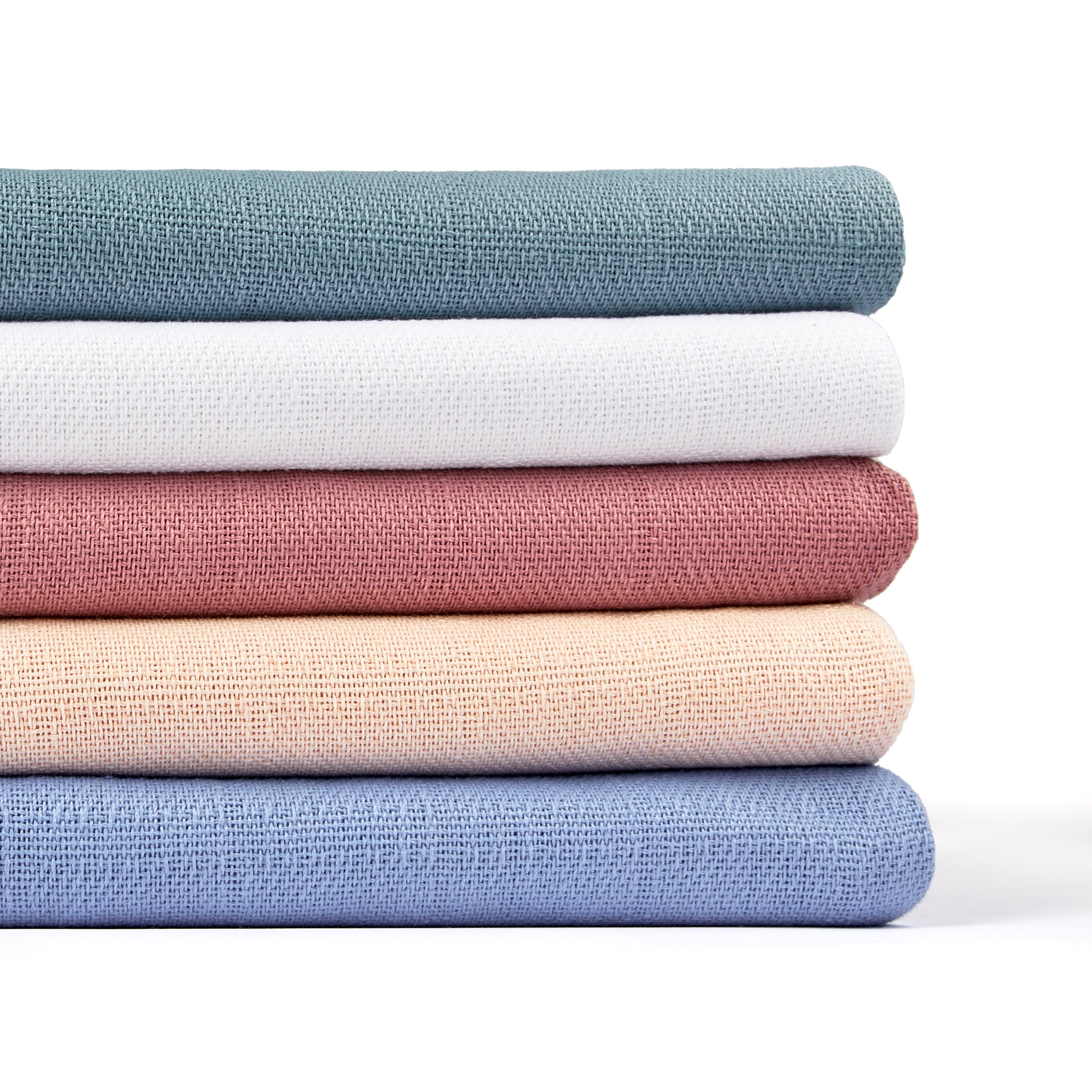
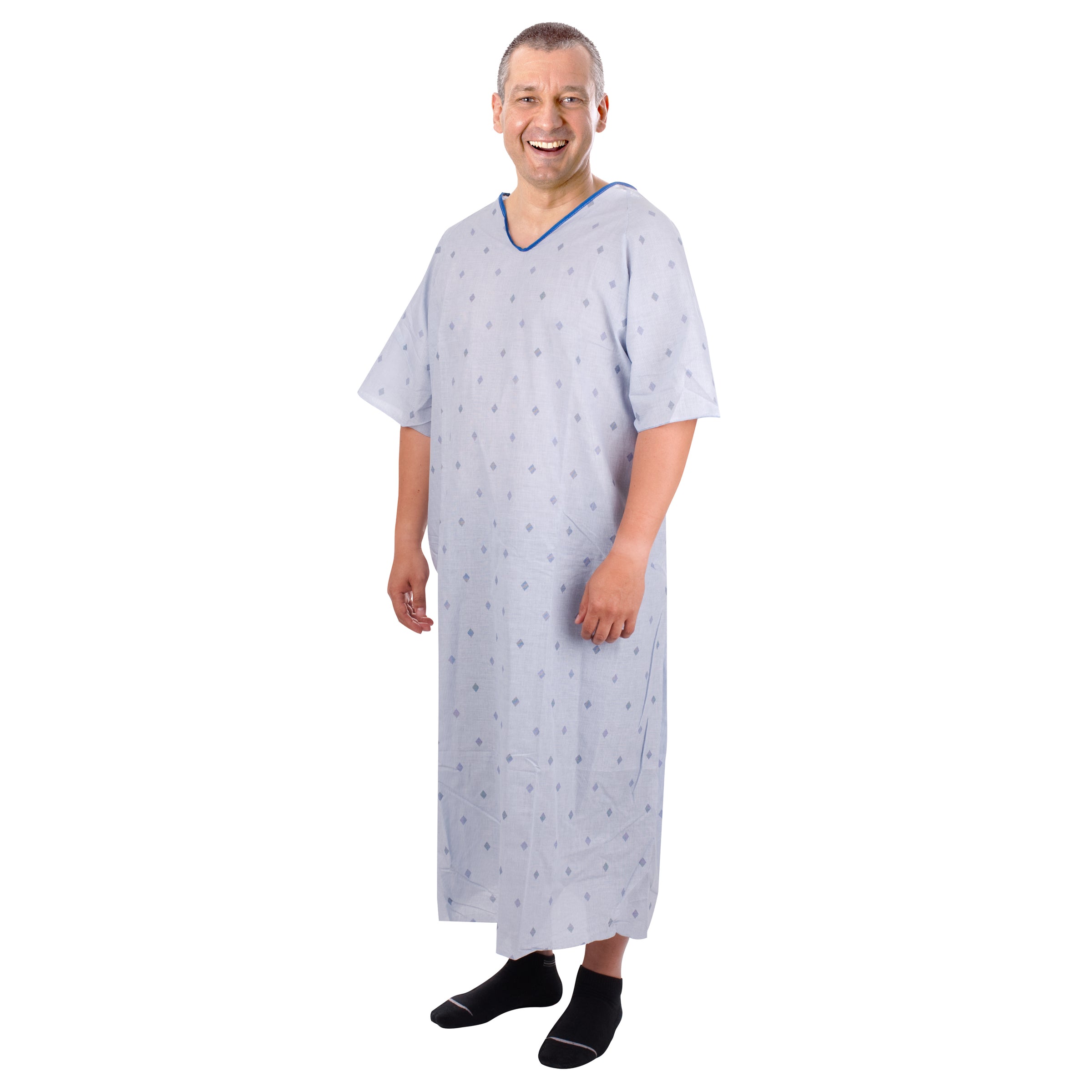
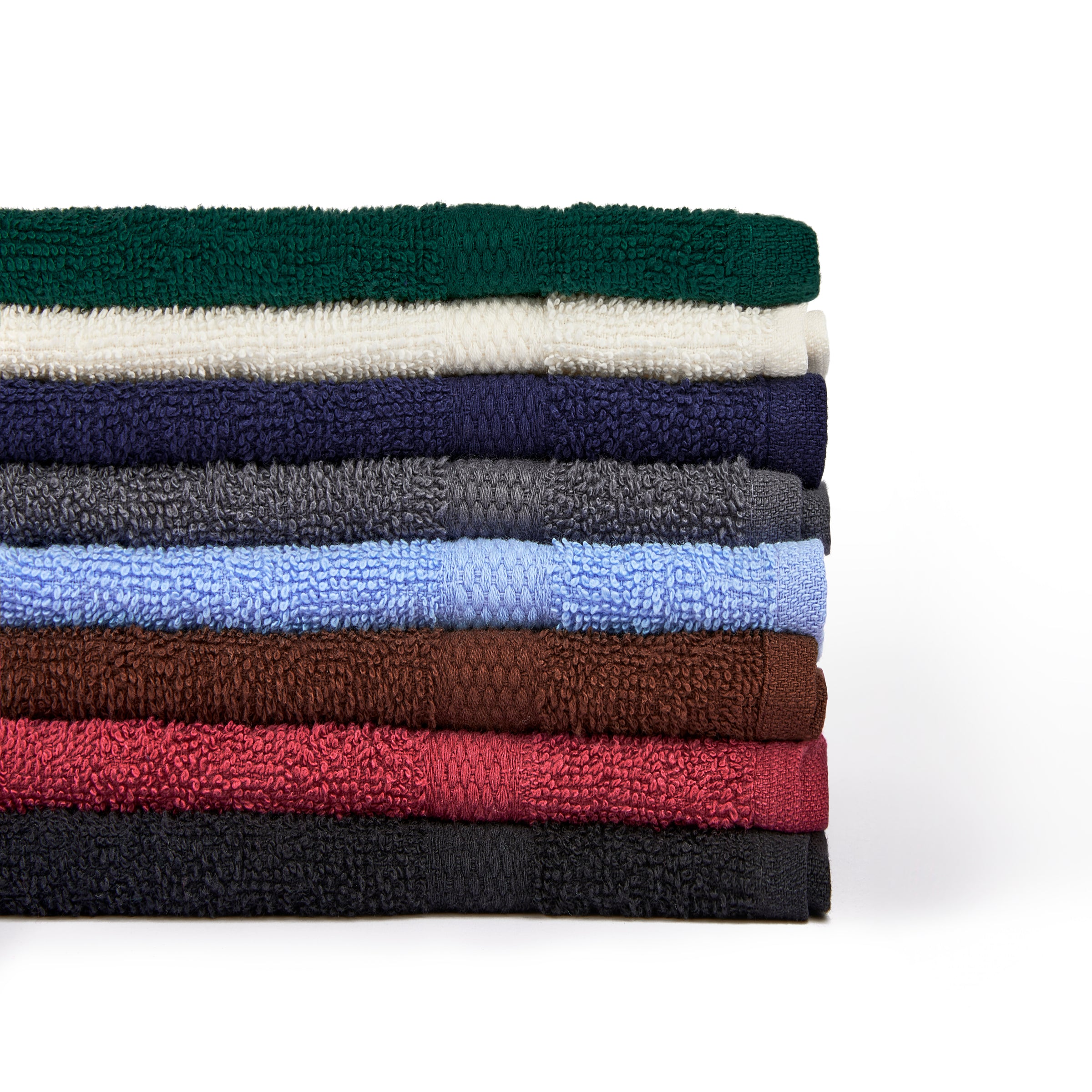
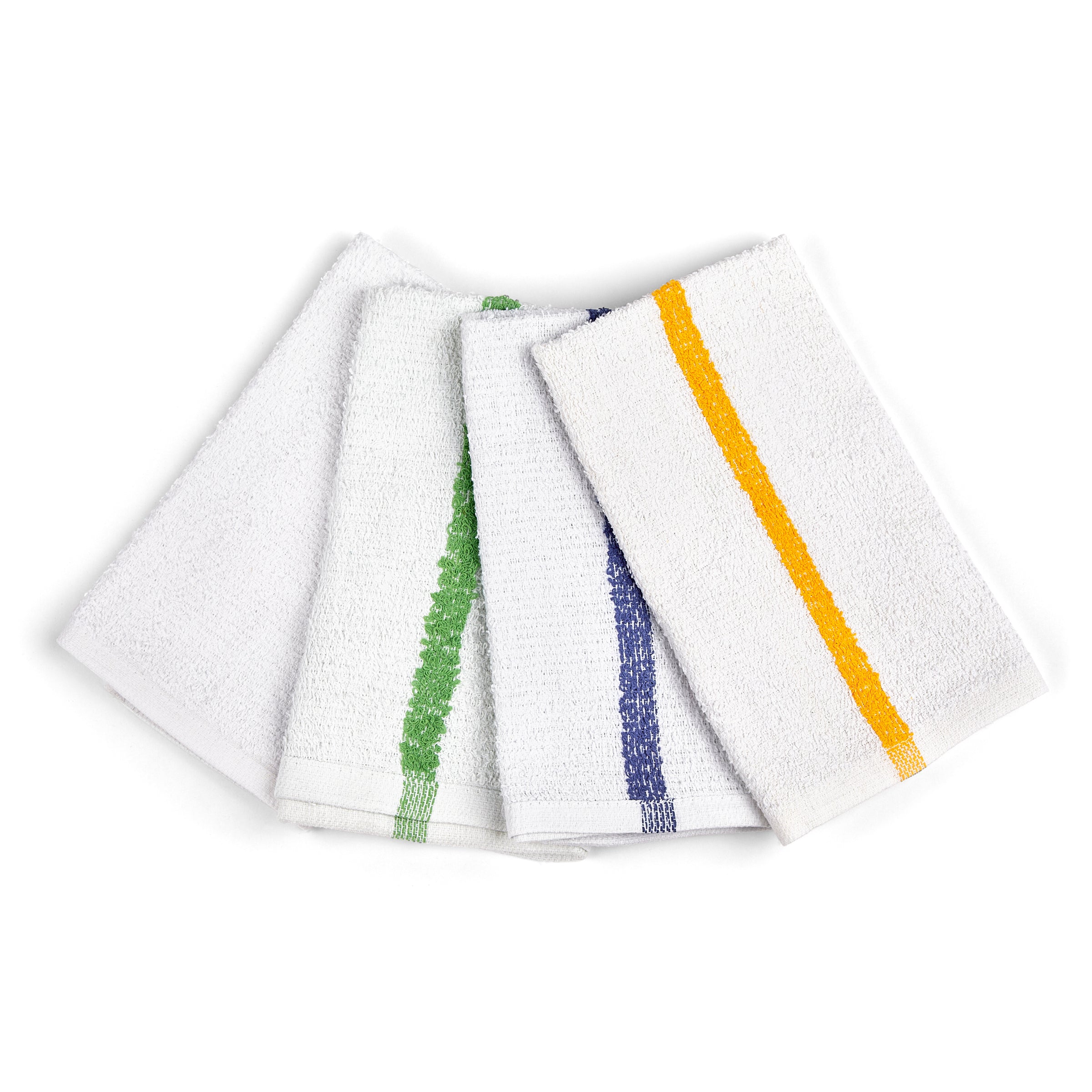


Check out our hospital bath blanket collection page!
Buying bath blankets in bulk sounds simple—until you’re comparing “soft,” “durable,” and “fast shipping” across five suppliers and nothing lines up. At Trusted Thread, we help teams in hotels, clinics, nursing homes, shelters, spas, and retail get a blanket spec that feels right, holds up, and arrives on time—without paying for extras you don’t need.
Quick answers for fast decisions
Here’s what usually drives bulk pricing up (and what you can do about it):
-
Fiber and yarn choice (save by matching fiber to your use case)
-
Weight + size (save by choosing the lightest weight that still feels premium)
-
Construction + finishing (save by spending on durability where it matters, not everywhere)
-
Color consistency (save by standardizing shades and planning reorders)
-
Branding (save by picking the simplest mark that still looks sharp)
-
Compliance details (save by preparing label, care, and import info early)
-
Packaging + shipping speed (save by right-sizing cartons and planning lead time)
What “bulk bath blankets” usually means in the US
Bulk bath blankets are commonly used as a comfort layer in guest rooms, patient care settings, and service businesses—plus as packaged items for resale. In practice, buyers are usually balancing five things:
-
Soft feel (what guests and patients notice first)
-
Long life (what your laundry room and budget feel over time)
-
Fast delivery (what keeps rooms and shelves stocked)
-
A consistent look (what keeps your brand clean and uniform)
-
A clean unit cost (what keeps your program easy to scale)
The simple savings formula
If you’re comparing quotes, don’t stop at “price per blanket.” Use a quick landed-cost view.
Landed cost per blanket (easy version)
Estimated landed cost per blanket =
(Unit price + add-ons) + (Shipping & handling ÷ total units) + (Any duty/fees ÷ total units)
A quick example (illustration only)
Say you’re ordering 500 blankets:
-
Unit price: $9.50
-
Add-ons (label or logo): $0.75
-
Shipping: $650
Estimated landed cost = ($9.50 + $0.75) + ($650 ÷ 500)
= $10.25 + $1.30
= $11.55 per blanket
If a second quote is $9.90 each but ships for $1,400, it may cost more overall.
The 7 biggest cost drivers (and how to lower each one)
Cost Driver 1: Fiber choice (why material moves the needle)
Fiber affects feel, wash performance, and price sensitivity. Cotton-heavy specs tend to follow cotton market movement—so quotes can change even when your spec does not (see the price movement examples in the USDA AMS Weekly Cotton Market Review).
What pushes cost up
-
Premium fiber blends, long-staple options, or “extra-soft” yarn builds
-
Higher fiber share (more of the expensive input)
How to save without giving up comfort
-
Choose a spec that hits your “soft enough” target, then lock it in
-
If you need softness, ask for feel-first finishing options before jumping to higher fiber grades
Cost Driver 2: Blanket weight and size
More material usually means more cost. For many programs, the “right” weight is the lightest blanket that still feels cozy and looks full on a bed, cart, or shelf.
What pushes cost up
-
Oversized cuts
-
Heavy builds that add bulk (and storage)
How to save without giving up durability
-
Match weight to your setting (guest room vs. clinical cart vs. retail box)
-
Standardize to one or two sizes so you can buy larger lots
Cost Driver 3: Construction and finishing
Construction is where durability is won. If you’re laundering often, you want seams and edges that stay neat and don’t fray.
What pushes cost up
-
Extra steps like special edge work or high-touch surface finishing
-
More complex build details
How to save without giving up long life
-
Spend on edge integrity and stitch strength first
-
Keep the surface finish simple if your wash cycle is tough
Cost Driver 4: Color matching and brand consistency
If you want a consistent “Trusted Thread blue” (or any exact shade), color control can add time and cost—especially on reorders.
What pushes cost up
-
Custom shades and tight tolerances
-
Frequent small reorders that force multiple dye lots
How to save without losing the look
-
Pick from a standard shade card when you can
-
Plan one bigger reorder window instead of many small ones
Cost Driver 5: Customization (logos, embroidery, labels)
Branding costs are usually a mix of setup and per-unit work.
What pushes cost up
-
Complex logos or large placements
-
Multiple mark locations (label + embroidery + packaging)
How to save while keeping your brand clean
-
Keep the mark simple and consistent
-
Use one primary brand touchpoint (for example: a clean label or a single logo)
Cost Driver 6: Compliance, labels, and import details
If you’re selling or distributing textile products in the US, labeling often needs to include fiber content, country of origin, and the responsible company identity, as described in the FTC’s guidance “Threading Your Way Through the Labeling Requirements Under the Textile and Wool Acts.”
Blankets may also carry import duty depending on the exact classification and fiber content; for example, a CBP ruling on a synthetic blanket set cites HTS 6301.40.0020 with an 8.5% ad valorem duty rate (duty rates can change), which you can see in CBP’s CROSS ruling N340865.
If your program includes care instructions on packaging or tags, the federal Care Labeling Rule explains what it means to have a “reasonable basis” for regular care guidance for covered textile items (see 16 CFR Part 423 on eCFR).
What pushes cost up
-
Late changes to fiber content or country-of-origin details
-
Missing label details that require rework
How to save
-
Collect your label details early (fiber, origin, company identity where needed)
-
Keep SKUs consistent so label templates stay reusable
Cost Driver 7: Packaging and shipping speed
Blankets are bulky. Shipping can jump when cartons take up more space than their scale weight suggests. FedEx explains that charges can be based on dimensional weight or actual weight—whichever is greater (see their Dimensional Weight Calculator).
What pushes cost up
-
Oversized cartons or low-density packing
-
Rush shipping and split shipments
How to save without slowing operations
-
Use tight case packs and right-sized cartons
-
If you need speed, keep a small “safety stock” level so you can ship standard service
What smart buyers do differently (by industry)
Hotels and lodging
-
Choose a consistent look across room types
-
Build a reorder rhythm that avoids last-minute freight
Hospitals and clinics
-
Keep comfort high while choosing specs that handle frequent laundering
-
Align labeling and care guidance with your facility workflows
Nursing homes
-
Aim for a soft feel that stays soft over repeated wash cycles
-
Standardize color programs for easier sorting
Shelters
-
Focus on fast replenishment and broad-use specs
-
Keep the pack-out simple so more funds go to usable product
Spas and salons
-
Pick a plush feel and a neat presentation
-
Keep branding minimal and elegant
Retailers
-
Keep SKU details consistent for packaging and shelf clarity
-
Choose a spec that looks good in a folded display and also feels good in hand
A practical savings playbook (no shortcuts that backfire)
-
Standardize specs: fewer variations usually means better bulk buying power
-
Buy for life, not just price: a slightly stronger build can reduce replacements
-
Plan for shipping: align your order timing with your peak season
-
Keep cartons tight: smaller cartons can reduce freight exposure
Download the Bulk Bath Blanket Savings Checklist
If you want a one-page checklist your team can use during quote reviews, copy this section into your template:
Bulk Bath Blanket Savings Checklist
-
✅ End use (hotel / clinical / care / spa / retail) is defined
-
✅ Target feel is clear (soft, cozy, lightweight, plush)
-
✅ Size and weight are set (one or two SKUs max)
-
✅ Construction notes include edge durability
-
✅ Color program is standardized
-
✅ Branding is limited to one main mark
-
✅ Label details are ready (fiber, origin, company identity where needed)
-
✅ Pack-out is defined (units per case, carton size)
-
✅ Shipping method and delivery window are chosen
-
✅ Landed cost per blanket is calculated with the formula above
Hospital Bath Blankets Built for Daily Care
Stop guessing on “soft” vs “durable.” Choose hospital bath blankets from Trusted Thread built for high-traffic care—napped on both sides, breathable, and made to handle frequent commercial laundering. Order by the case in cotton or cotton/poly blends, keep carts stocked, and protect patient comfort and dignity. Request samples today for your facility standards.
Checkout: Hospital Bath Blankets: Unbleached - 70" x 90" - 86% Cotton/14% Poly
FAQ (5 questions)
1) What’s the fastest way to lower bulk blanket cost without making them feel cheap?
Start with weight and pack-out. Many programs can lower total spend by choosing the lightest build that still feels cozy and by shipping in tighter cartons.
2) Should I choose softness or durability?
You can get both, but you have to decide what “good” looks like for your use case. For heavy laundering, put edge strength and construction first, then tune the feel with finishing.
3) How do I keep colors consistent across reorders?
Choose a standard shade when possible and order in larger, planned runs. Small, frequent reorders can create more variation over time.
4) Do bulk bath blankets need special labels in the US?
It depends on how you sell and distribute them. Your best move is to prepare fiber and origin details early so labeling work doesn’t slow your order.
5) When does rush shipping make sense?
Rush service can be the right call when you’re protecting occupancy, patient care, or retail sales. If you need speed often, consider holding a small buffer level so most orders can ship standard service.


![Hospital Bath Blanket Sizes: 4 Standard Options [2026]](http://trustedthread.com/cdn/shop/articles/Hospital-Bath-Blanket-Sizes_-4-Standard-Options--_2026_c6e7ba00-353b-41ea-aa8b-c37f9a9a37fa.webp?v=1768287055&width=800)


![Bath vs Thermal Blanket: 6 Stocking Tips [2026]](http://trustedthread.com/cdn/shop/articles/Bath-vs-Thermal-Blanket_-6-Stocking-Tips-_2026_612918c3-01c3-4d4d-9324-4f9bd431bcf8.webp?v=1768284594&width=800)

