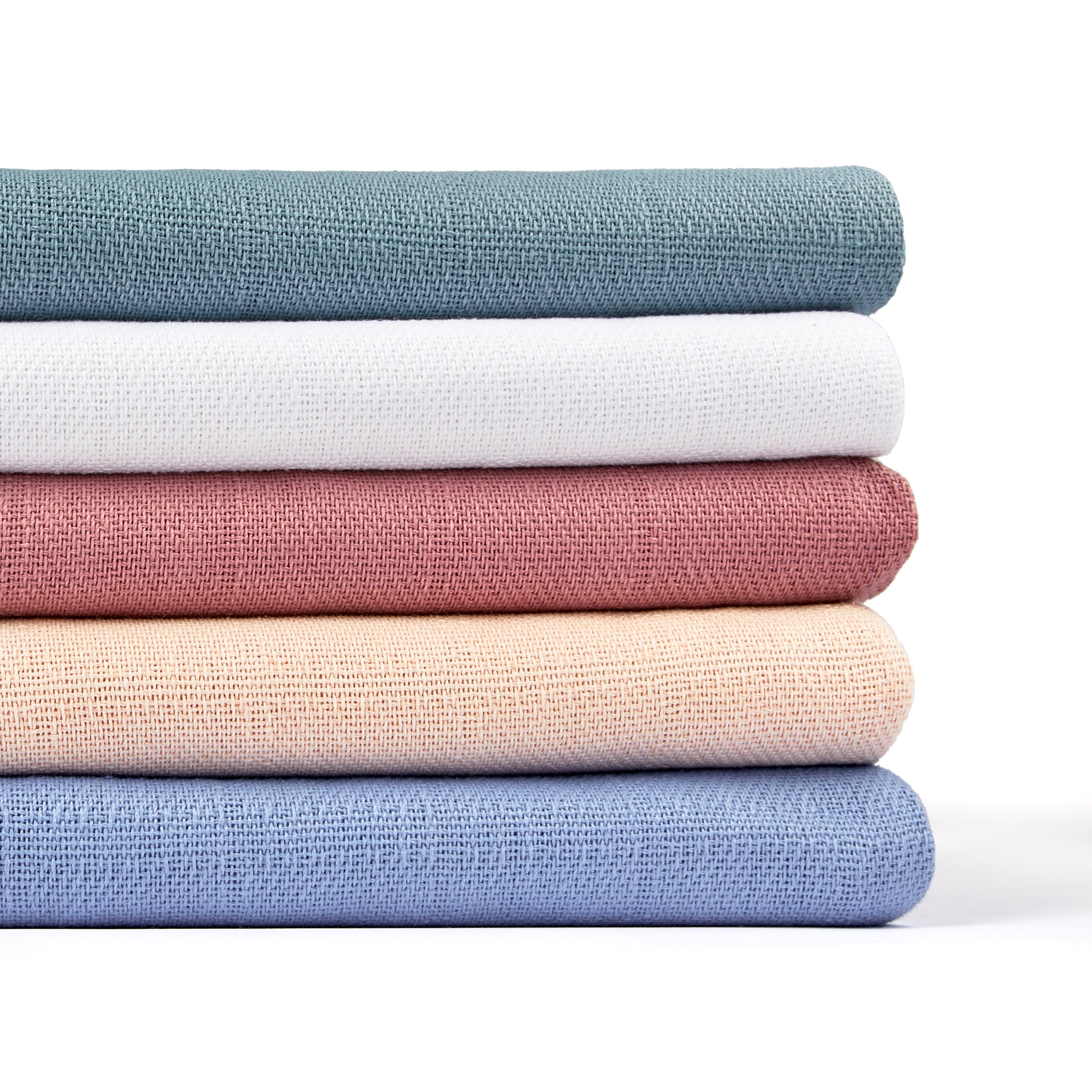
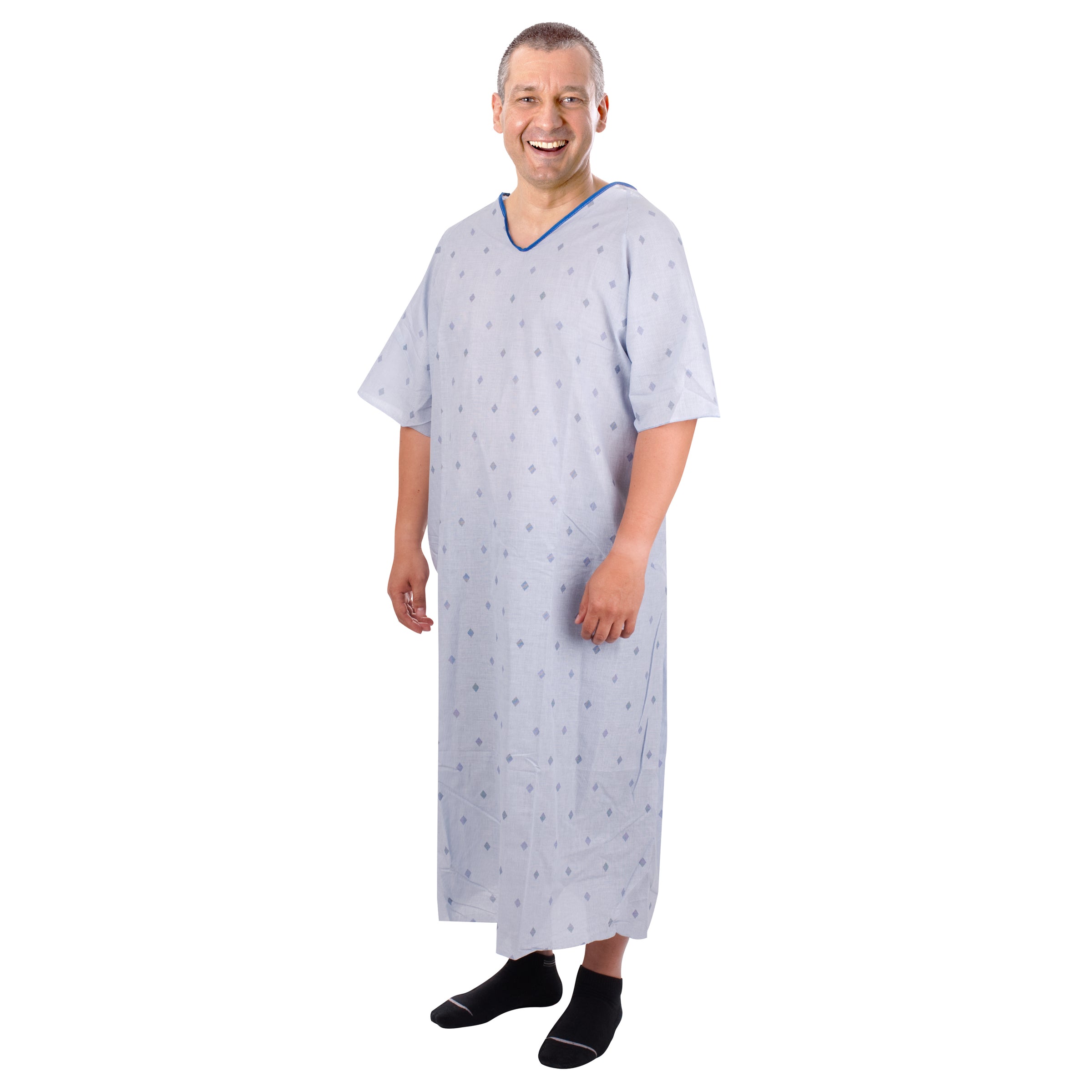
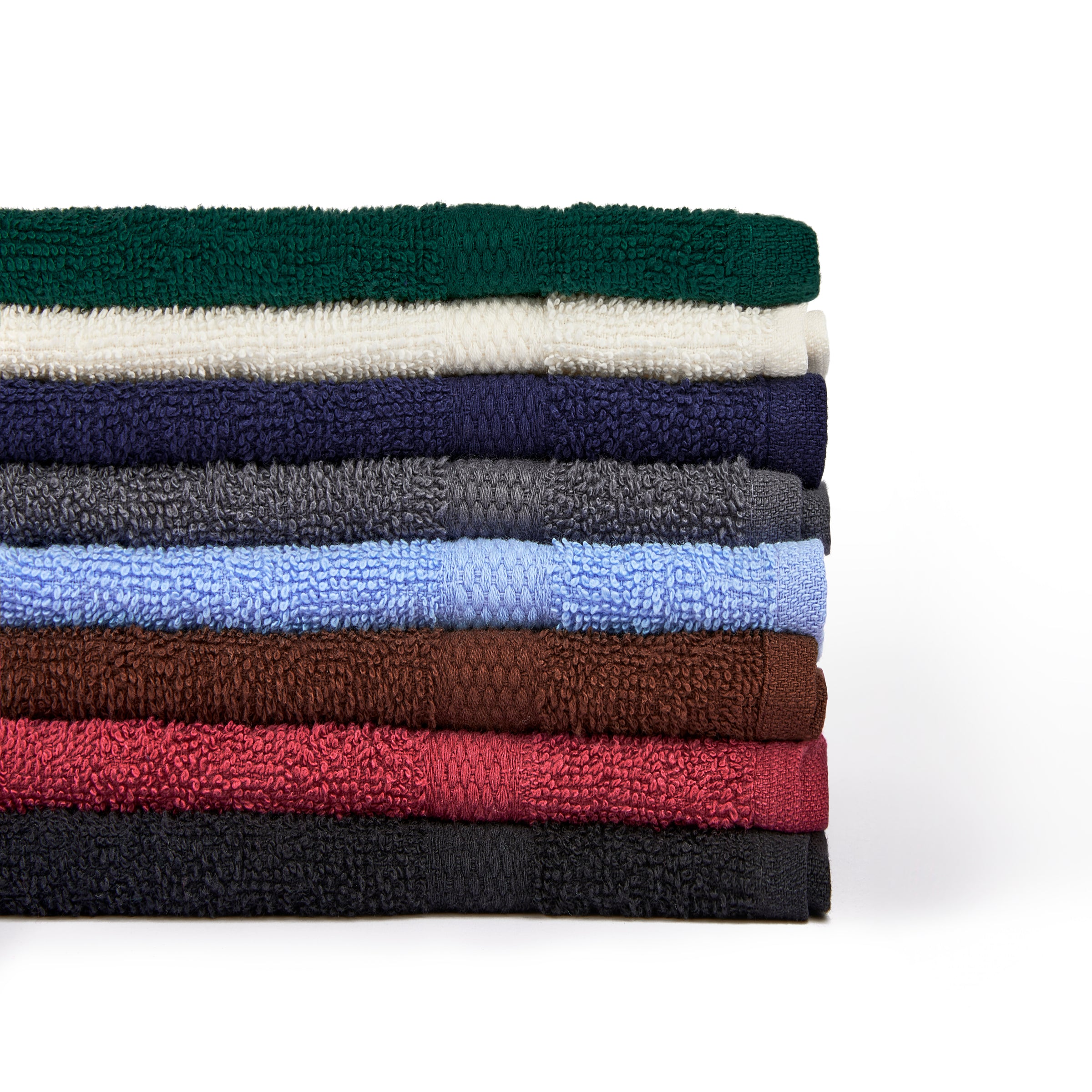
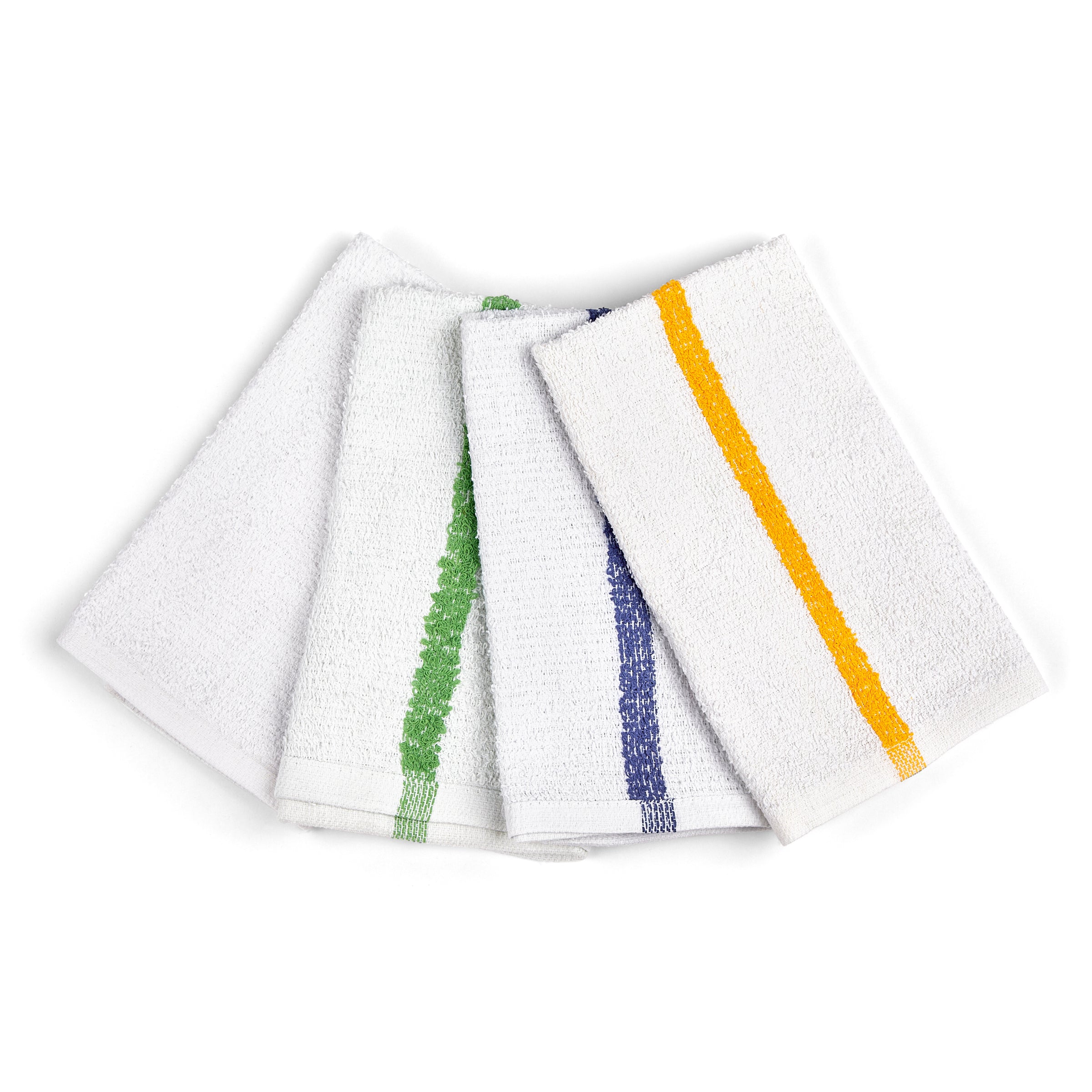


Check out our hospital bath blanket collection page!
If you run a spa, hotel, clinic, or short term rental, you know the moment: a bath sheet that used to drape nicely now feels short, tight, or oddly shaped.
Shrinkage is frustrating because it looks like a quality problem, even when the real issue is the wash routine.
This guide breaks down the most common reasons bath blankets shrink and what to do next, using clear steps your team can follow.
Quick answer: why bath blankets shrink
Some shrinkage happens when fibers relax after their first few washes. Other shrinkage happens when heat, moisture, and motion push the fabric to tighten up over time. If your laundry process uses hot water, high dryer heat, long cycles, or heavy agitation, you are more likely to see size changes.
What counts as a bath blanket in this guide
We are talking about three common items used in the U.S. hospitality and care settings.
-
Oversized bath towels and bath sheets: thick, absorbent, and often washed in large loads.
-
Spa blankets: soft layers used after treatments, showers, or pool time.
-
Hospital bath blankets: used for patient comfort and handled under stricter hygiene routines.
The 5 most common causes of bath blanket shrinkage (plus fixes)
Cause 1: Hot water wash routines
In health care laundry, hot water is often used as part of infection control. The CDC laundry and bedding guidance notes that a hot water wash of at least 160°F (71°C) for a minimum of 25 minutes is commonly recommended.
What it looks like
-
Size drop after switching to hotter cycles
-
Towels feel denser, less flexible
Fixes
-
Match the wash to the item. If an item is not designed for high heat routines, run it in a separate formula.
-
Use the mildest cycle that still meets your cleanliness needs. In clinical settings, keep your required protocol, then buy textiles built for that routine.
-
Standardize one temperature for each item group. Mixing wash temperatures week to week makes results harder to predict.
Cause 2: Dryer heat and over drying
Dryers can cause size changes because they add heat and repeated tumbling. The cotton industry shows how shrink can spike as fabric gets drier; Cotton Incorporated explains that shrink behavior changes across the drying curve and can increase quickly as moisture drops, especially once fiber moisture moves below a critical point in the process described in its technical bulletin on improved shrinkage performance of cotton fabrics.
What it looks like
-
Shrink shows up more in length than width
-
Edges curl or feel tight
Fixes
-
Stop drying when items are just dry, not extra dry. Over drying is where many teams lose size.
-
Reduce dryer load size. Overfilled drums increase friction and uneven drying.
-
Use a cooldown and pull items quickly. Letting hot items sit can lock in tighter shape.
Cause 3: First wash relaxation shrinkage
New textiles can shrink early because the fabric is relaxing from manufacturing tension. ScienceDirect describes relaxation shrinkage as the release of strains imposed during spinning, weaving, or knitting, which can show up when the fabric finally relaxes during use and laundering in its overview of relaxation shrinkage.
What it looks like
-
Biggest size change happens in the first 1 to 3 wash cycles
-
After that, shrink slows down
Fixes
-
Pre wash before first use. For hotels and rentals, this helps keep guest facing sizes more consistent.
-
Label new stock as a separate batch. Run it through the same wash and dry routine before it joins your main sets.
-
Build a small buffer into your size plan. If you need a certain finished size, choose items that allow for normal first wash settling.
Cause 4: Too much mechanical action (agitation, friction, crowding)
A lot of shrink is not only about heat. Motion matters too.
Kansas State University points out that sorting by water temperature and agitation helps avoid laundry problems, and it recommends grouping items that can be washed under the same conditions in its laundering guide.
What it looks like
-
Uneven shrink across the same set
-
Fabric looks worn faster at corners and hems
Fixes
-
Avoid stuffing the washer. Crowding increases rubbing.
-
Use a gentler cycle for plush towels and blankets. Save heavy cycles for items that truly need them.
-
Wash towels with towels. Washing towels with items that have zippers, hooks, or hard trims adds extra wear.
Cause 5: Mixed materials and finishes
Even when the main body is one material, details can behave differently.
Common examples
-
Decorative bands on bath sheets
-
Reinforced hems
-
Multi layer spa blankets
Fixes
-
Check the care label before you set your process. In the U.S., the Care Labeling Rule requires regular care instructions for many textile goods, as described by the Federal Trade Commission.
-
Standardize within a location. If you buy multiple styles with different trims, shrink will show up as mismatched sets.
-
Choose simple construction for high volume laundry. Fewer mixed parts usually means fewer surprises.
Fixes you can try right now (by setting)
For spas and hotels: a 15 minute laundry audit
Use this quick checklist during a normal wash day.
-
Are towels and blankets washed in the same loads as heavy items with rough trims?
-
Are loads overfilled?
-
Do dryer cycles run past the point of dry?
-
Are new items pre washed before guest use?
-
Are staff members using the same cycle settings, every shift?
If you spot variation, start with one change: pick a single wash and dry routine for each item group and train the team to stick to it.
For clinics and birthing centers: shrink control with hygiene in mind
Clinical laundry has less flexibility because patient safety comes first.
-
Keep your required cleaning routine.
-
Separate items that are not designed for that routine.
-
When you replace inventory, buy textiles built for high heat and frequent cycles.
A consistent, documented process helps reduce the back and forth of returns and complaints.
For short term rentals and home use: settings that protect size
If you manage laundry on site or with a small team, simple habits help.
-
Wash bath sheets and spa blankets in their own loads.
-
Use moderate dryer settings and avoid over drying.
-
If you see shrink early, treat that as the baseline and build your set sizes around it.
Can you unshrink a bath blanket
Sometimes you can improve the feel and shape, but true size recovery is limited.
A practical approach is to focus on what you can control going forward.
-
Set a consistent wash and dry routine.
-
Replace or reassign items that no longer meet your size standard.
-
Keep sets uniform within each room or treatment area.
Fabric by fabric: laundry friendly defaults
Use this table as a starting point, then follow the care label for your exact item.
|
Material type |
Best practice focus |
Simple default routine |
|
100% cotton terry (bath sheets) |
Control drying time and tumbling |
Dry until just dry, avoid extra long cycles |
|
Cotton waffle (spa use) |
Avoid heavy friction |
Wash in smaller loads, gentler cycle |
|
Cotton blend (cotton poly) |
Follow label, keep settings steady |
Use one standard routine for that blend |
|
Microfiber |
Heat control |
Use lower heat and shorter dry time when allowed by label |
|
Fleece or plush blankets |
Reduce rubbing and over drying |
Smaller loads, moderate dry, pull promptly |
How to prevent shrink long term (and reduce returns)
Build a simple linen care routine
Pick one standard per item group and document it.
-
Wash temperature
-
Cycle type
-
Load size guidance
-
Dryer setting and target dry level
-
Who checks results
Consistency is what keeps sizes predictable.
Buy for your laundry reality, not shelf softness
When you shop bath blankets, ask one key question: will this item hold up under the routine you actually use?
If your setting uses high heat, frequent cycles, and large loads, choose items designed for that pace. If your routine is gentler, you have more options.
Shop Hospital Bath Blankets That Hold Up
Shrinkage shouldn’t derail your linen program. Trusted Thread hospital bath blankets are built for real-world laundry routines—helping clinics, birthing centers, spas, hotels, and rentals keep sizing consistent and comfort high. Standardize your sets, reduce returns, and restock with confidence today. Shop hospital bath blankets
Checkout: Hospital Bath Blankets: Unbleached - 70" x 90" - 86% Cotton/14% Poly
FAQ
1) Why did my bath sheets shrink after the first wash
New textiles often change size early because the fabric is settling into its relaxed shape. The best way to avoid surprises is to pre wash new stock and treat the post wash size as your real baseline.
2) Is the dryer or the washer more likely to cause shrink
Both can play a role, but drying is where many teams lose size because heat and tumbling stack up quickly. If you want one simple change, shorten the dry cycle and pull items as soon as they are dry.
3) How can I reduce shrinkage without changing my clinical laundry protocol
Keep your hygiene routine, then separate items that are not built for it. When you replace inventory, buy textiles that match your process so you do not have to fight shrink week after week.
4) Why do some blankets shrink unevenly
Uneven shrink often happens when items have mixed materials, trims, or tight hems that react differently. Standardizing one style per site makes sets look cleaner and reduces sizing complaints.
5) What is the fastest way to reduce returns tied to shrink
Write down one wash and dry routine per item group and train everyone to use it. Then track the first 2 to 3 wash cycles for new inventory so you can spot issues before guests or patients do.


![Hospital Bath Blanket Sizes: 4 Standard Options [2026]](http://trustedthread.com/cdn/shop/articles/Hospital-Bath-Blanket-Sizes_-4-Standard-Options--_2026_c6e7ba00-353b-41ea-aa8b-c37f9a9a37fa.webp?v=1768287055&width=800)


![Bath vs Thermal Blanket: 6 Stocking Tips [2026]](http://trustedthread.com/cdn/shop/articles/Bath-vs-Thermal-Blanket_-6-Stocking-Tips-_2026_612918c3-01c3-4d4d-9324-4f9bd431bcf8.webp?v=1768284594&width=800)

