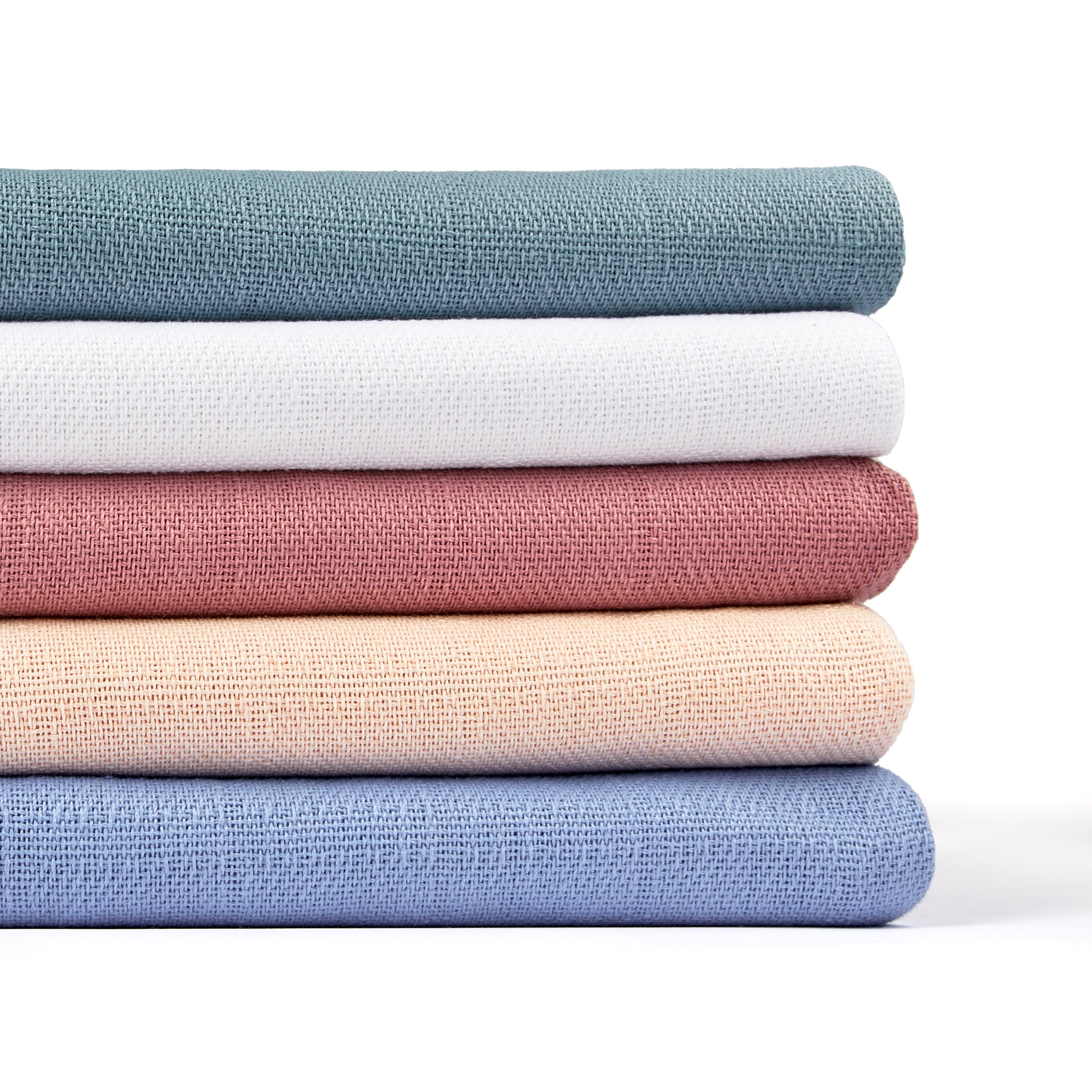
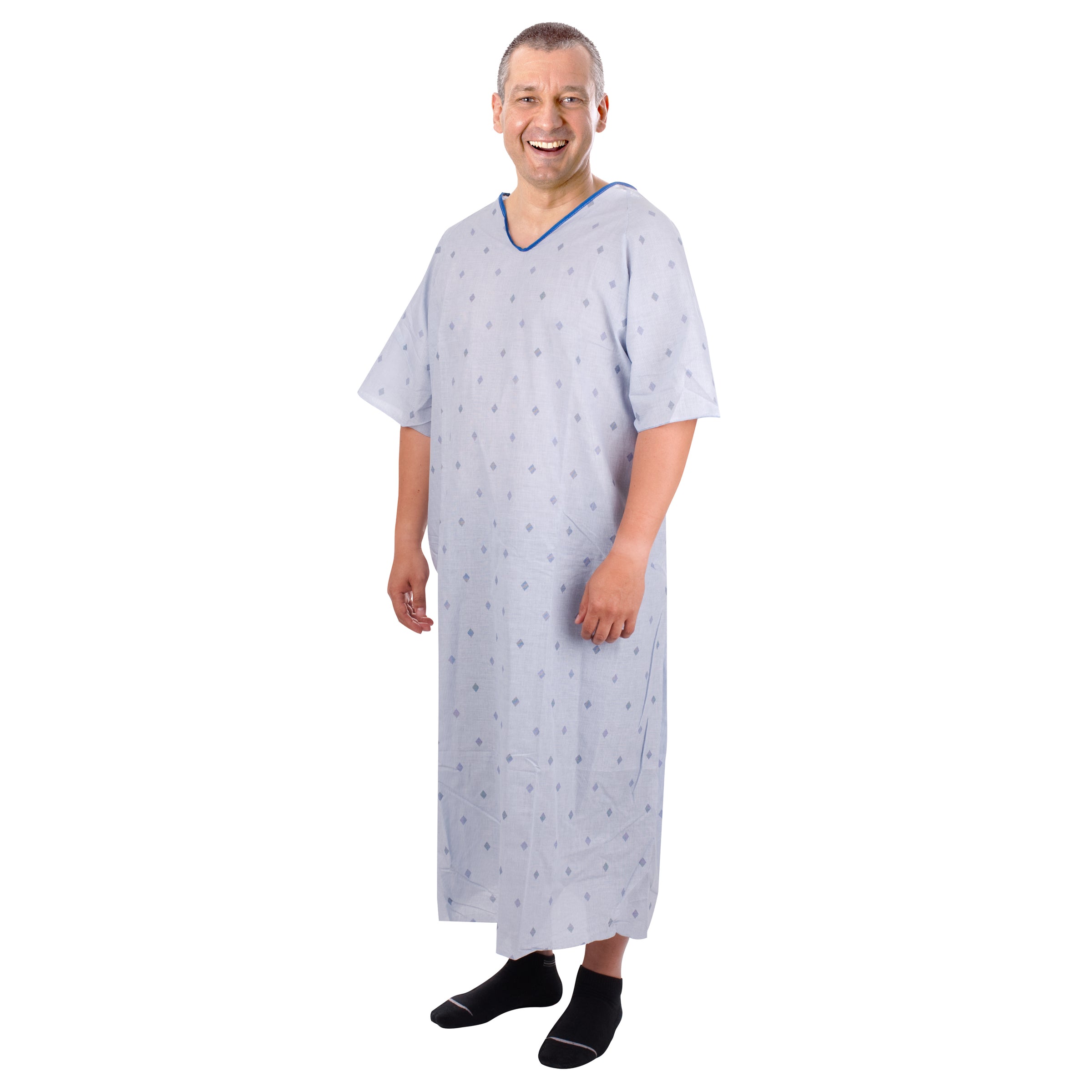
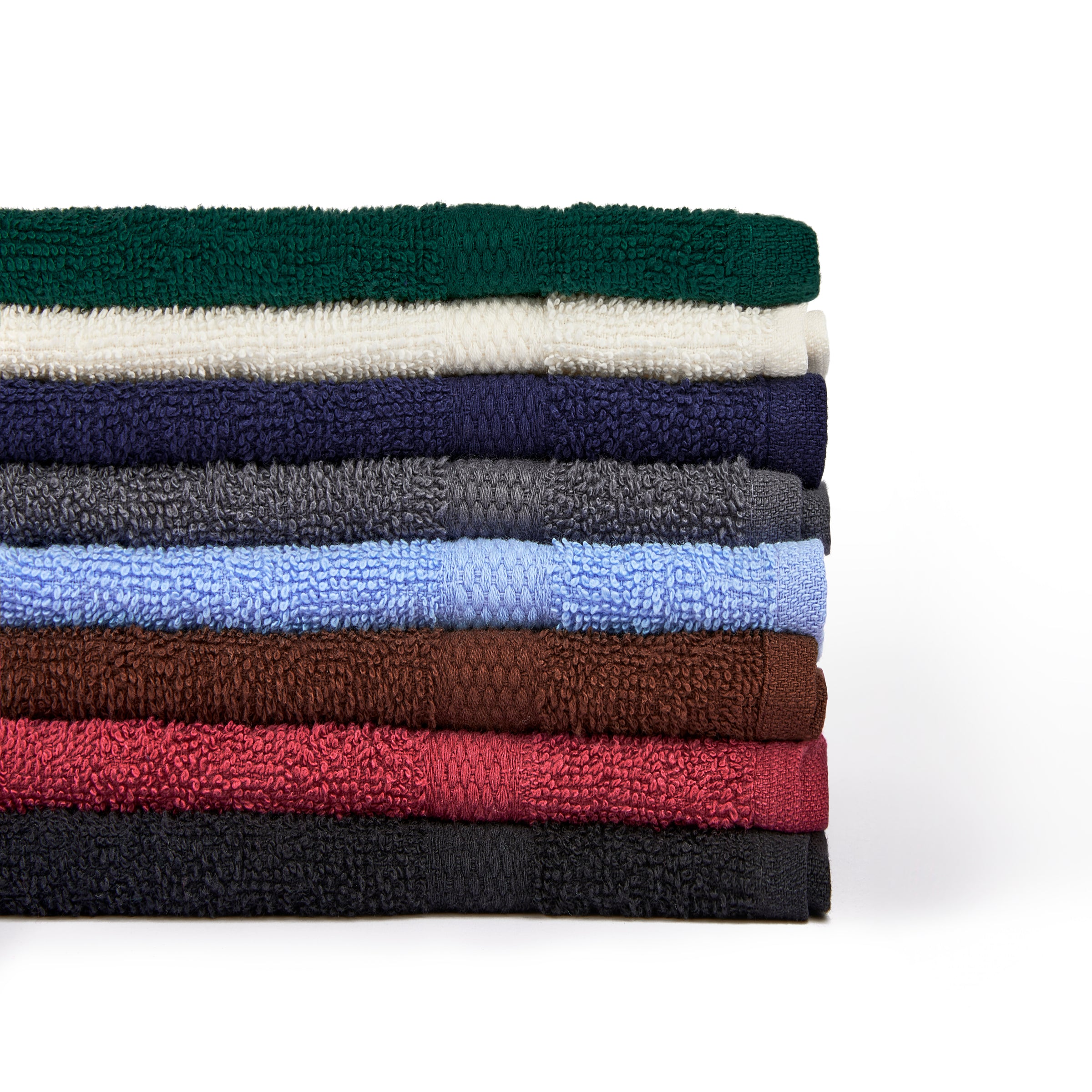
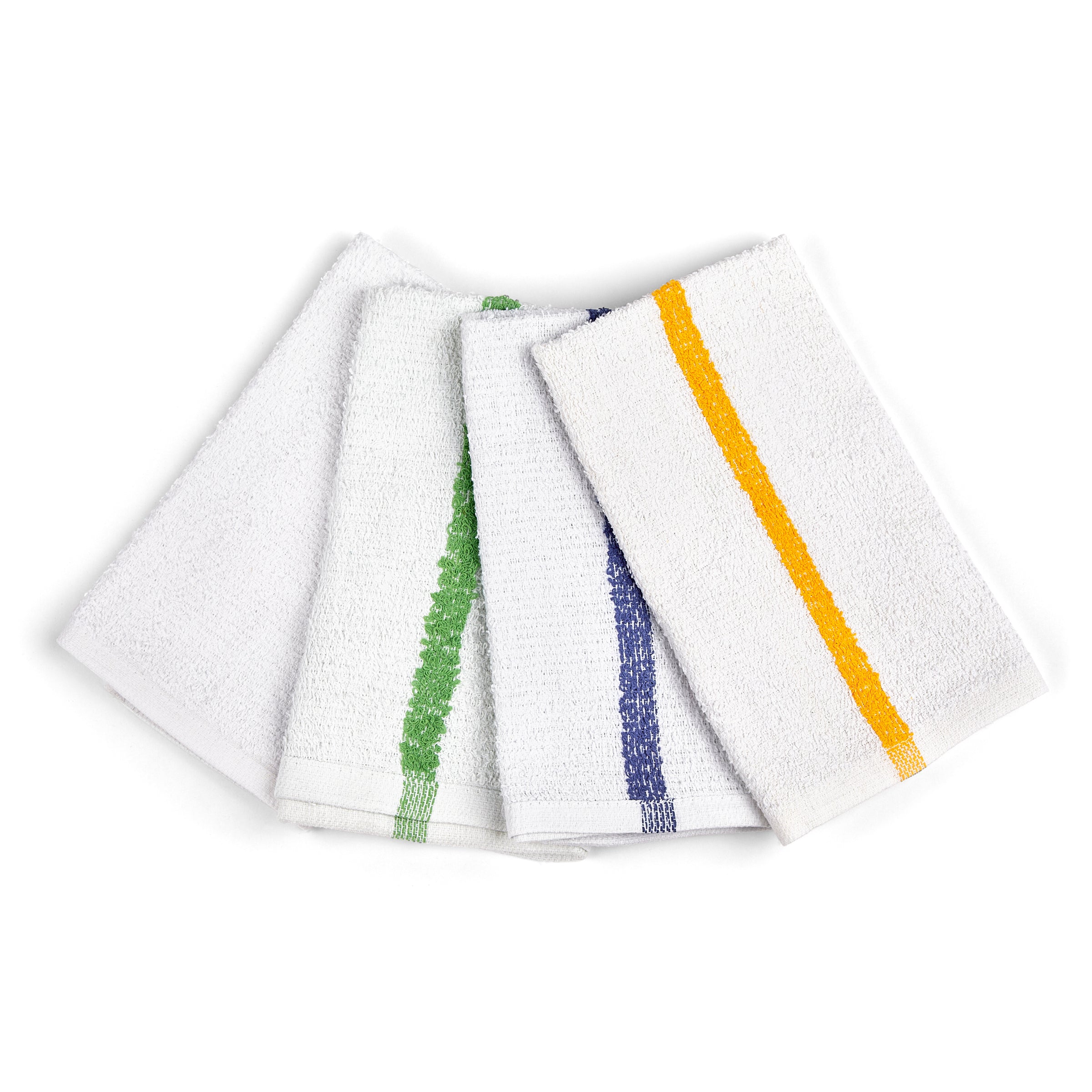


Check out our hospital bath blanket collection page!
If you manage a hospital unit, nursing home wing, spa, or housekeeping team, you know this moment: someone needs a bath blanket now, and the shelves are empty. It is stressful for staff and uncomfortable for the person in the bed.
This guide gives you a simple way to plan bath blankets per bed using par levels, built for on-site laundry teams in the US.
Quick answer: how many bath blankets per bed?
A solid starting point for many on-site laundry operations is 3 bath blankets per bed, because one set is in use, one is clean and ready, and one is moving through the wash cycle. That basic “3 par” concept is commonly taught in linen inventory planning, where one par equals what you need to outfit beds once and three par supports steady daily operations in an on-premises laundry cycle (Establishing Linen Par Levels).
From there, you adjust based on your laundry turnaround time and how often blankets get swapped on your units.
What a “bath blanket” means in healthcare and hospitality
A bath blanket is a lightweight blanket used for comfort and coverage, often during bathing, transfers, exams, warming, or short stays. In many facilities it is treated as a high-touch linen item, so it can move through laundry more often than a standard bed blanket.
Where you will see bath blankets most often:
-
Hospitals: patient warming, exams, transport, ED overflow, postpartum, rehab
-
Nursing homes: daily comfort, extra warmth during care, therapy sessions
-
Spas: treatment coverage, guest warmth before and after services
If your team uses bath blankets in several places, the key is to plan counts based on where they are used, not where they are stored.
The 3 par level rules (Trusted Thread’s practical version)
Rule 1: Define what “1 par” means for your beds
Par is only helpful when everyone counts the same way.
For bath blankets, 1 par usually means:
-
1 bath blanket available per bed for your normal daily routine
If your unit always uses two bath blankets per bed (for example, one under and one over, or a standard + a backup), then your 1 par is 2 per bed. Write that down and keep it consistent.
Quick checklist to lock it in:
-
Which units use bath blankets every day?
-
Do any units require extra blankets by policy (comfort rounds, warming, isolation workflows)?
-
Are bath blankets used outside patient rooms (ED bays, transport carts, procedure areas)?
Once you define 1 par, the rest is clean math.
Rule 2: Tie your par level to your on-site laundry turnaround
If blankets are in the laundry, they are not available on the floor. So your par level has to cover:
-
What is in use now
-
What is clean and ready
-
What is being processed
A simple way to plan is:
Bath blankets per bed = (your 1-par definition) × (number of pars you need)
And for most on-site laundry teams, 3 pars is a practical baseline because it covers a repeating cycle: ready today, being washed today, used today. If you want a formal linen management course that includes assessing facility needs and establishing par levels as part of an inventory process, the Association for the Healthcare Environment lays that out in its course outline (Principles of Effective Linen Management).
How to adjust without overthinking:
-
If your laundry cycle is same-day, 3 pars usually feels steady.
-
If your laundry cycle is next-day, you may need an extra cushion on the units that swap blankets more often.
-
If your laundry cycle is longer than a day (downtime, staffing gaps, equipment limits), plan additional stock so the floor does not run dry.
Rule 3: Add a small safety buffer for the real world
Even great systems run into:
-
Surprise admissions and high census days
-
Blankets tied up on carts, in bins, or in the wrong closet
-
Rewash from spills, isolation needs, or storage mix-ups
-
Normal wear and loss over time
Instead of guessing, set one clear rule your team can follow, such as:
-
“We do not drop below our par count on the unit shelves.”
-
“When a unit hits the reorder trigger, laundry delivers the next bundle the same shift.”
A buffer is not about hoarding. It is about protecting patient comfort and keeping staff out of crisis mode.
Simple examples for hospital beds with on-site laundry
Use these as planning templates. Swap in your numbers.
Example A: 30-bed med-surg unit (steady turnover)
-
Your 1 par definition: 1 bath blanket per bed
-
Baseline: 3 par
30 beds × 1 blanket × 3 par = 90 bath blankets
If you also keep a small transport stash (stretchers, wheelchairs), count those separately so you do not “borrow” from the unit shelves.
Example B: 40-bed nursing home wing (daily comfort needs)
If residents often request a second blanket during care:
-
Your 1 par definition: 2 bath blankets per bed
-
Baseline: 3 par
40 beds × 2 blankets × 3 par = 240 bath blankets
This keeps you from stripping one room to cover another.
Example C: Hospital bed overflow area (spiky demand)
Overflow areas often feel calm until they are not. Keep the same counting method, but plan your buffer around how quickly the area can fill.
-
Your 1 par definition: 1 bath blanket per bed
-
Baseline: 3 par
-
Add an overflow stash sized to your realistic surge plan
The goal is simple: when overflow opens, blankets are already ready.
Handling and hygiene basics that can change your blanket counts
When linens are handled the right way, you reduce rewash, mix-ups, and exposure risk.
The CDC’s healthcare cleaning guidance includes practical steps like not shaking soiled linen, placing it in a designated container, and keeping clean linens protected from contamination during storage and transport (CDC Appendix D - Linen and laundry management).
Two quick habits that protect your supply:
-
Keep soiled and clean flow separate. If clean carts or shelves get contaminated, you lose usable stock fast.
-
Train for consistency. One “shortcut” shift can create a week of rewash and shortages.
Compliance checkpoints for hospitals and nursing homes in the US
This is not legal advice, but these checkpoints can keep you aligned with what survey and accreditation teams expect to see.
Nursing homes: linen handling tied to infection control expectations
CMS has long emphasized that staff must handle, store, process, and transport linens in a way that prevents infection spread, and it has issued survey guidance that directly addresses laundry and infection control (CMS Survey and Certification Letter 13-09).
What that means in practice:
-
Written procedures your team can follow
-
Training that matches those procedures
-
A laundry workflow that keeps clean linens clean
Hospitals: build linen rules from evidence-based sources
The Joint Commission notes that detailed linen requirements are not spelled out line-by-line in standards, and organizations are expected to build their linen cleaning, storage, and transport requirements using evidence-based sources (like CDC guidance) and local authority expectations (Joint Commission FAQ on Linen Management Requirements).
A simple way to be ready:
-
Keep your linen policy current
-
Document your clean/soiled separation
-
Show how you protect clean linen during storage and delivery
A simple system to keep par levels steady (without extra stress)
Par levels only work when the system is easy enough to use on busy days.
A weekly 10-minute count routine
Pick one day a week and count:
-
Clean bath blankets on shelves
-
Clean bath blankets on carts
-
Soiled blanket bins waiting for pickup
Write the numbers down in one place. Consistency matters more than fancy tools.
Labeling that stops “blanket drift”
Try a simple labeling approach:
-
Unit name on shelves and carts
-
“Clean only” and “Soiled only” signs
-
A fixed delivery spot so blankets do not end up in the wrong hallway closet
A reorder trigger that everyone can follow
Instead of waiting for shortages, set one clear trigger:
-
“When the shelf hits X bundles, we restock on the next run.”
It keeps the workflow calm and predictable.
How Trusted Thread helps you stay stocked and calm
Trusted Thread supports teams that cannot afford linen surprises.
When you are setting bath blanket par levels, we can help you:
-
Standardize what “1 par” means for your beds
-
Plan a dependable reorder rhythm for on-site laundry
-
Keep your supply consistent so your staff spends less time hunting and more time caring
If you want, your team can share bed counts, unit types, and your laundry cycle, and we will help you build a simple bath blanket plan that fits your operation.
Checkout: Blended Wash Cloths - White - Size 12" x 12" - 86% Cotton/14% Poly
FAQ
1) How many bath blankets should I stock per hospital bed?
Start with a 3-par plan and make sure your 1-par definition matches how your units actually use bath blankets. If blankets are swapped often on certain units, increase the count for those areas first rather than raising every unit the same way.
2) What does “3 par” mean in plain language?
Think of it as three complete rounds of supply. One round is in use, one round is clean and ready, and one round is moving through the laundry cycle so you do not run out.
3) How do I set par levels if my laundry cycle is not same-day?
Keep the same counting method, then add enough stock to cover the time items spend unavailable during processing. If your cycle stretches, your shelves need more depth so care teams are not waiting on the dryer.
4) Should nursing homes plan more bath blankets than hospitals?
Not always, but nursing homes often have more daily comfort use, which can raise blanket turnover. Base your plan on how often blankets are changed, how fast laundry returns them, and whether residents regularly request extra warmth.
5) How can I prevent bath blanket shortages without overbuying?
Standardize your 1-par definition, count weekly, and set a clear reorder trigger so you restock before shelves go empty. The goal is a stable routine that protects comfort and keeps staff from scrambling.


![Hospital Bath Blanket Sizes: 4 Standard Options [2026]](http://trustedthread.com/cdn/shop/articles/Hospital-Bath-Blanket-Sizes_-4-Standard-Options--_2026_c6e7ba00-353b-41ea-aa8b-c37f9a9a37fa.webp?v=1768287055&width=800)


![Bath vs Thermal Blanket: 6 Stocking Tips [2026]](http://trustedthread.com/cdn/shop/articles/Bath-vs-Thermal-Blanket_-6-Stocking-Tips-_2026_612918c3-01c3-4d4d-9324-4f9bd431bcf8.webp?v=1768284594&width=800)

