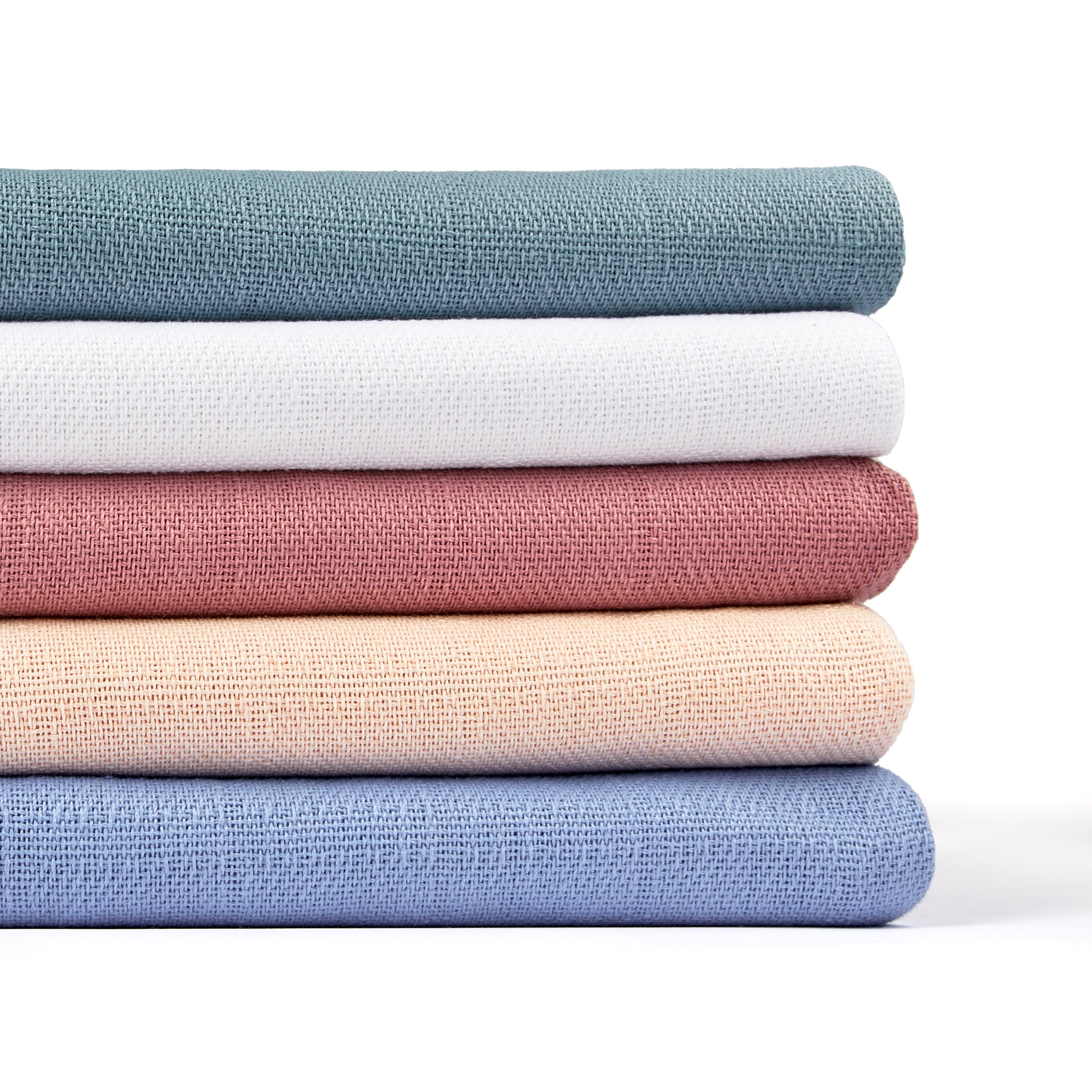
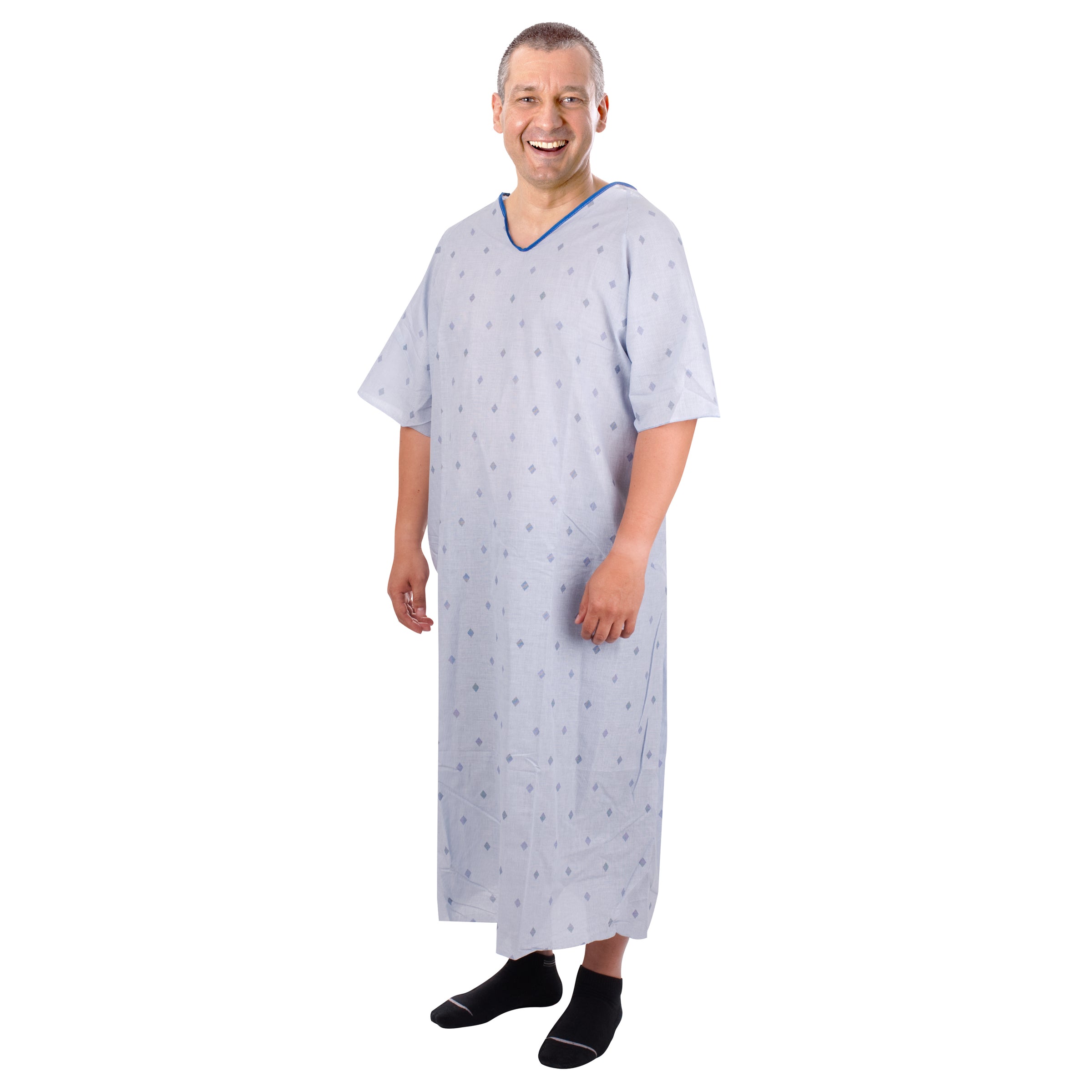
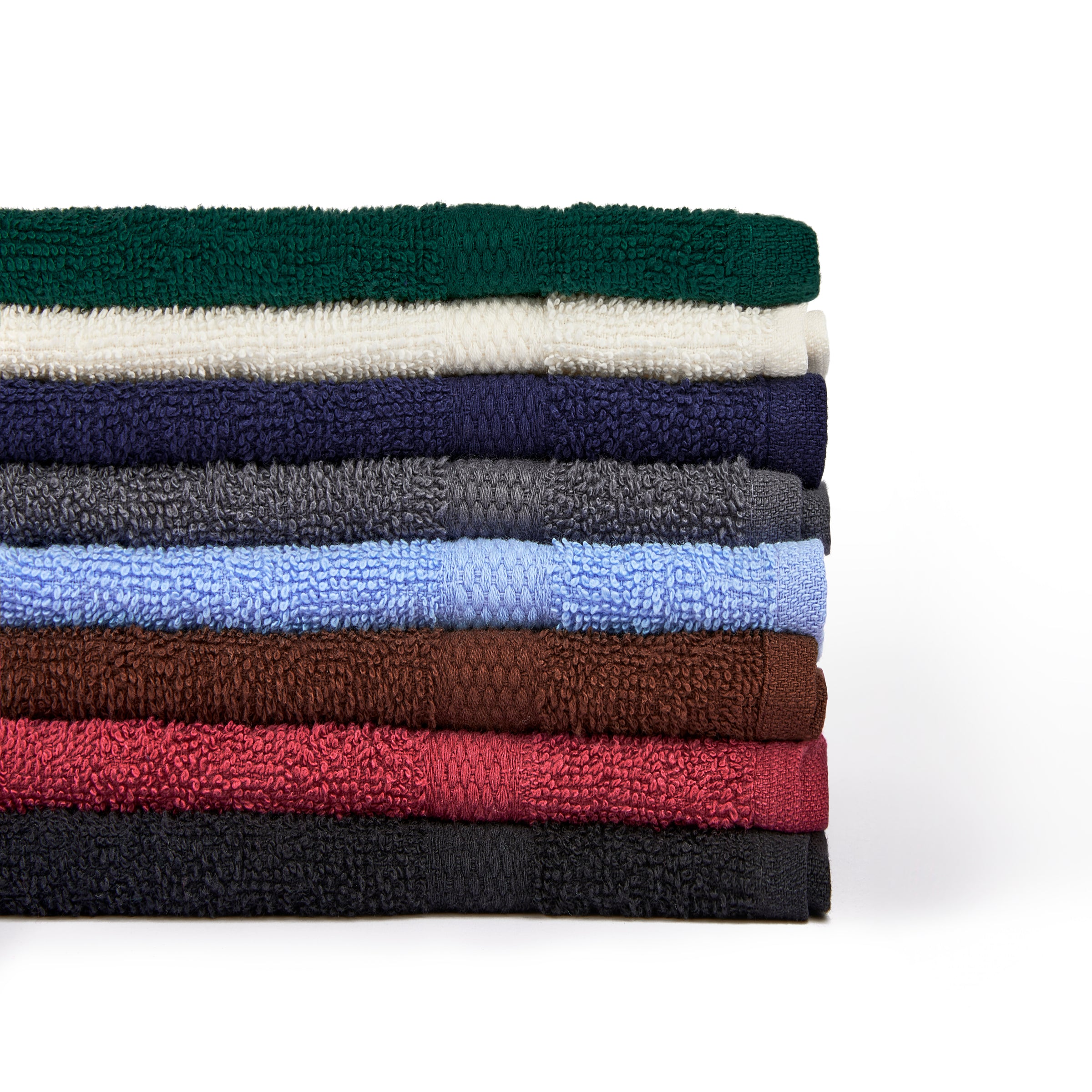
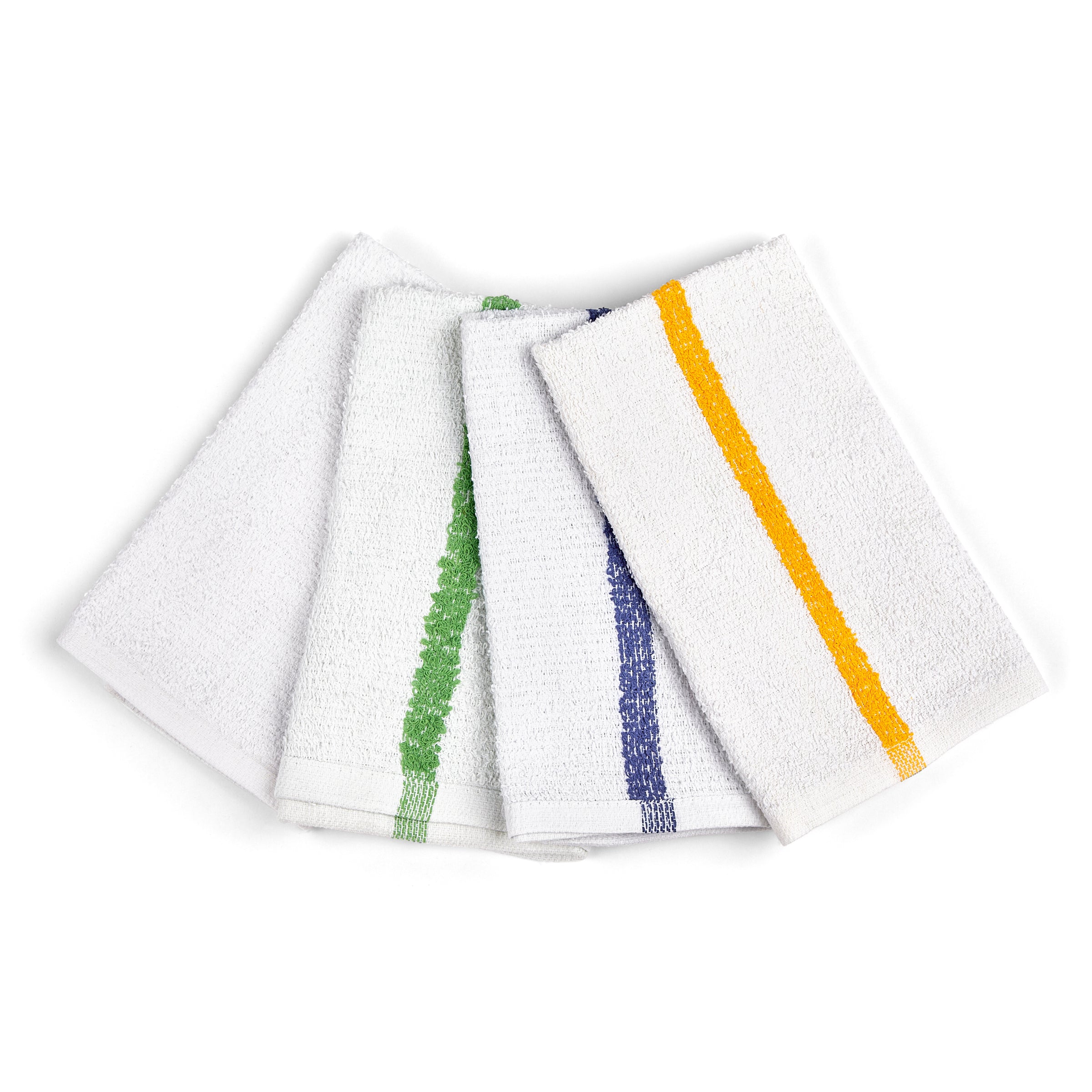


Check out our hospital bath blanket collection page!
If you use bath blankets at home—or you manage linens for a spa, salon, hotel, Airbnb, or healthcare space—you know the look: little fuzz “balls,” a dusty film, and stray fibers that seem to stick to everything. The good news is you can cut down on both with a few simple habit changes.
And if you’re caring for pieces from the Bath Blankets 2026 collection, these tips can help you keep them looking guest-ready between washes.
Before we get into the how-to, here’s the quick thing to remember: pilling and lint aren’t the same problem, so they don’t always have the same fix.
What causes pilling and lint on bath blankets
Pilling is made up of small clumps of broken surface fibers that tangle together after rubbing. A practical breakdown of why it happens (and the laundry habits that make it worse) is outlined in this guide on preventing and removing pills (The Spruce’s pilling prevention tips).
Lint is the loose fluff that sheds from fabrics and then transfers—often because of friction, static, and heat. Better Homes & Gardens points out that lint buildup is tied to those factors and also calls out two easy-to-miss culprits: overloading the washer and using too much detergent, which can leave residue that grabs fibers (BHG’s lint removal and prevention tips).
Pilling vs. lint: how to tell the difference fast
-
Pilling: tiny balls attached to the surface (pinch one and it stays “anchored”).
-
Lint: loose fuzz on top (it usually lifts off with a lint roller or tape).
The biggest triggers in the wash and dryer
-
Too much rubbing (crowded loads, rougher cycles, mixed fabrics)
-
High heat and extra-long drying
-
Residue on the surface (often from overdosing detergent)
Before you wash: 3 quick checks that help
1) Read the care label like it’s the instruction manual
Your blanket’s label is the fastest way to avoid a “why did this happen?” moment later. If the label allows it, cooler water and gentler motion are a solid starting point when you want to keep the surface smooth.
2) Shake it out and clear loose fuzz first
A quick shake outside (or over a tub) can knock off loose fibers so they don’t end up right back on the blanket.
3) Keep rough items away from soft blankets
Zippers, hooks, textured towels, and heavy items can scrape the surface. If you manage linens for guests or patients, this is a simple rule to teach: soft blankets don’t share loads with rough items.
Reduce pilling and lint: 8 laundry tips that work
Tip 1: Wash bath blankets by themselves (or only with “soft only” items)
If your blanket shares space with lint-heavy items, you’re more likely to see fiber transfer. A safe habit is one blanket per load or grouping with other soft pieces only.
Tip 2: Turn the blanket inside out
Inside-out washing can help protect the side people see and touch most from extra rubbing in the drum.
Tip 3: Use cold water and a gentle cycle
If your care label allows it, cold + gentle is a friendly default for bath blankets—especially when you’re trying to keep the surface smooth.
Tip 4: Use the right amount of mild detergent
More soap doesn’t always mean a cleaner blanket. Measuring detergent can help you avoid leftover film that makes fuzz cling.
Tip 5: Treat fabric softener as optional, not required
If you notice a “coated” feeling or extra lint sticking after drying, try skipping softener for a few washes and see how the blanket behaves.
Tip 6: Dry low, and pull the blanket out while it’s still slightly damp
Lower heat is often gentler on fibers. One simple approach is to stop the cycle early and let the blanket finish drying flat or draped over a rack.
Tip 7: Use dryer balls (or a similar helper) to cut down on clumping
If your blanket tends to bunch up, dryer balls can be worth trying. The goal is simple: help the blanket move and breathe so it dries more evenly.
Tip 8: Keep the lint screen and vent path clean
Lint isn’t just a “look” issue—it can also be a safety issue. The U.S. Consumer Product Safety Commission warns that lint buildup in the dryer or exhaust duct can block airflow and lead to overheating, and it recommends cleaning the lint screen each load and cleaning the vent/duct periodically (CPSC dryer lint safety alert PDF).
Fast fixes for blankets that already look fuzzy
Use a fabric shaver the gentle way
Lay the blanket flat, keep it smooth, and move slowly. Empty the shaver often so you’re not dragging collected fuzz back over the fabric.
Use a lint roller (or tape) for quick touch-ups
This is the fastest option before guests arrive or when you’re doing a quick room reset.
If shedding feels nonstop
If a blanket seems to “snow” every time it comes out of the dryer, try washing it alone, use lower heat, and keep the lint filter clear. This is also a good time to check your venting path.
Simple care routines for spas, hotels, Airbnbs, and healthcare
A two-bin sorting rule staff can follow
-
Bin A: lint makers (towels, some cotton items)
-
Bin B: lint grabbers (soft blankets, throws, fleece-like fabrics)
A plain “default” wash-and-dry recipe for bath blankets
-
Cold or cool wash on gentle (follow the label first)
-
Blankets alone or with soft pieces only
-
Low heat drying, with an early pull-and-rest finish
Storage that keeps blankets looking clean
Closed shelves or bins can help keep blankets from picking up dust and stray fibers between uses. A quick shake before folding also helps if you’re turning over rooms fast.
Quick reference table
|
Tip |
Why it helps |
Fast way to do it |
Best for |
|
Wash alone |
Cuts fiber transfer |
One blanket per load |
Home + guest spaces |
|
Inside out |
Protects the “show” side |
Flip before washing |
All |
|
Cold + gentle |
Less surface wear |
Gentle cycle, cool water |
All |
|
Measure detergent |
Less residue |
Use a measuring cap |
All |
|
Skip softener if needed |
Less coating |
Try 2–3 loads without |
All |
|
Low heat + early pull |
Less wear + less static |
Stop early, rack dry |
All |
|
Dryer balls |
Less bunching |
Add 2–4 balls |
Home + small ops |
|
Lint path cleaning |
Better airflow |
Clean screen each load |
All |
Smooth, Lint-Free Comfort Starts Here
-
Keep your bath blankets guest-ready with smoother washes and longer-lasting softness. Follow our 8 quick laundry tips—wash solo, cold gentle cycles, measured detergent, low-heat drying, and clean vents—to cut lint and pilling. Then upgrade your linen closet with Trusted Thread Hospital Bath Blankets: napped, durable, and available by the case.
Checkout: Fleece Blankets - Twin 66" x 90" - Case of 12
FAQ
1) Why do my bath blankets pill after one wash?
A first wash can feel “rough” if the blanket is packed into a full load or washed with rougher items. Try washing it alone on a gentler setting and see if the surface stays smoother next time.
2) Can I stop pilling completely?
Some blankets will pill over time, especially with frequent washing. What you can do is slow it down by cutting down on rubbing and high heat.
3) Is air drying better for bath blankets?
Air drying can be a nice option if your blanket surface seems sensitive to heat. If you use a dryer, low heat plus an early pull can be a helpful middle ground.
4) Do dryer sheets help with lint on blankets?
If static is making lint cling, an anti-static option can help the blanket look cleaner right out of the dryer. If you notice residue or a coated feel, try a different approach and compare results.
5) How often should I clean my dryer lint screen and vent?
The U.S. Fire Administration recommends cleaning the lint filter before and after each cycle and checking the venting system for damage or restriction (USFA dryer fire safety flyer). For vent pipe cleaning, the U.S. Department of Energy safety sheet notes that cleaning lint out of the vent pipe about once a year (or more often if drying takes longer than normal) is a smart routine (DOE/NFPA dryer and washer safety tips PDF).


![Hospital Bath Blanket Sizes: 4 Standard Options [2026]](http://trustedthread.com/cdn/shop/articles/Hospital-Bath-Blanket-Sizes_-4-Standard-Options--_2026_c6e7ba00-353b-41ea-aa8b-c37f9a9a37fa.webp?v=1768287055&width=800)


![Bath vs Thermal Blanket: 6 Stocking Tips [2026]](http://trustedthread.com/cdn/shop/articles/Bath-vs-Thermal-Blanket_-6-Stocking-Tips-_2026_612918c3-01c3-4d4d-9324-4f9bd431bcf8.webp?v=1768284594&width=800)

