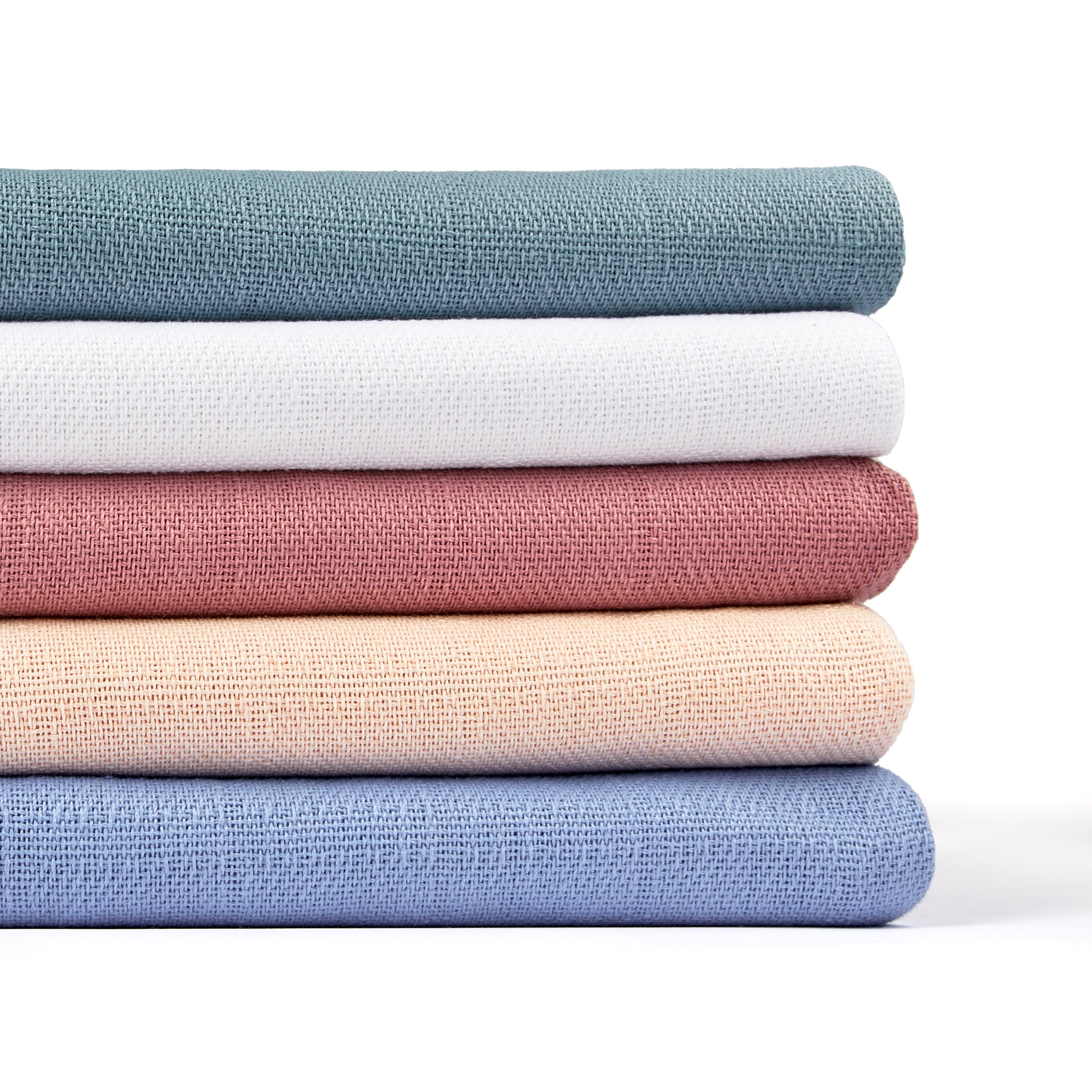
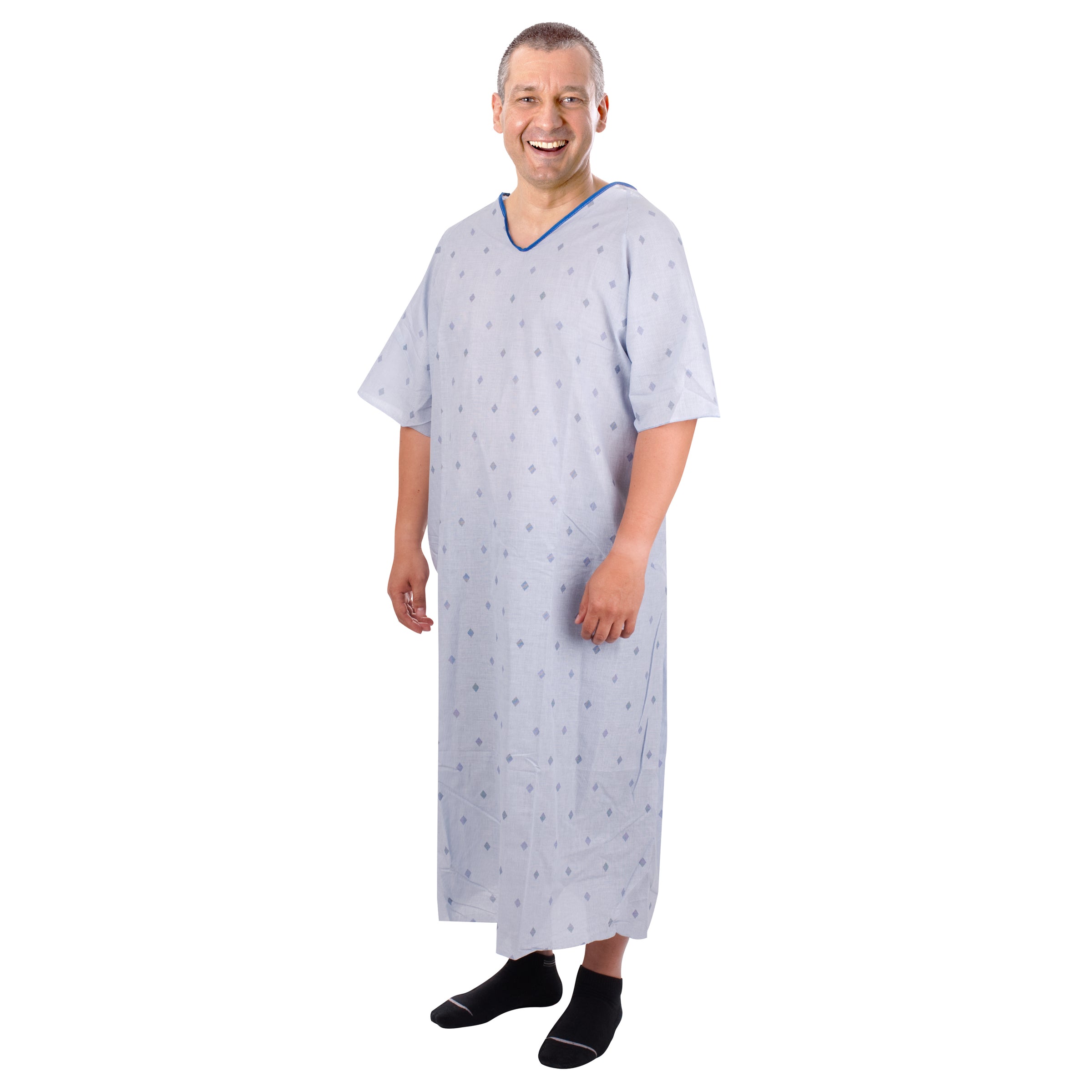
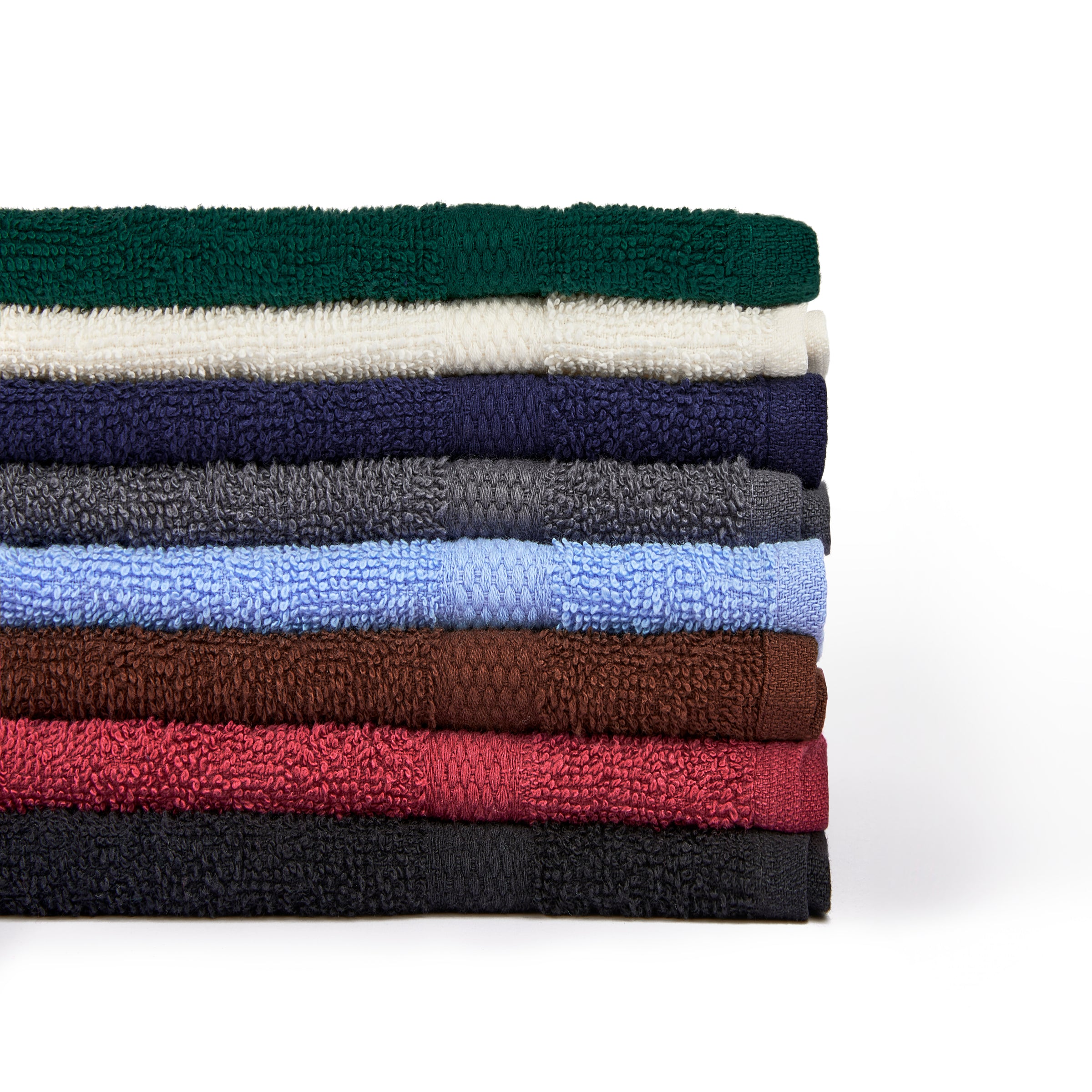
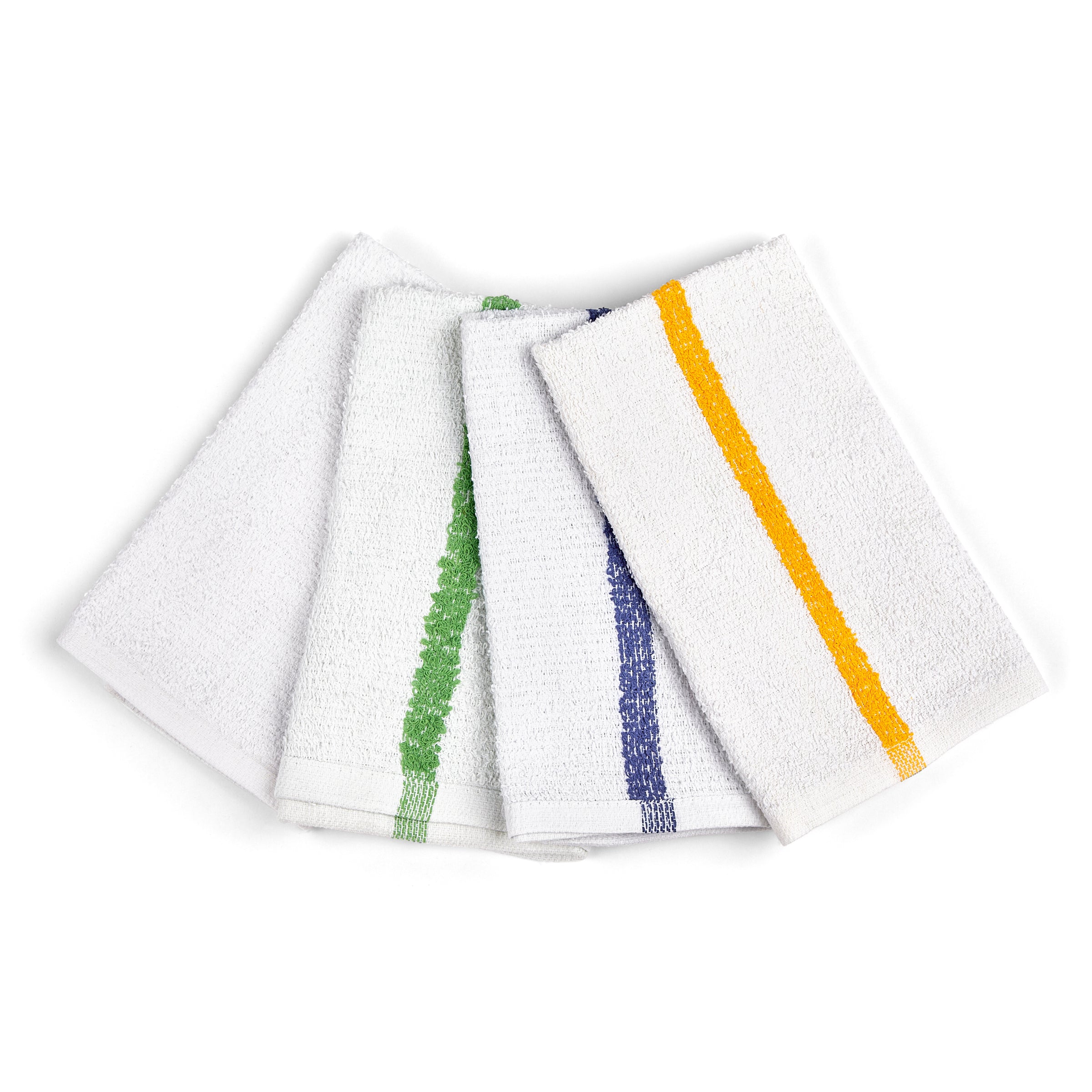


Check out our hospital bath blanket collection page!
When a guest steps out of the shower, or a resident finishes a bath, they only need a few minutes of chill to remember it all day.
For facility teams, “warm enough” is not just about softness. It’s about comfort you can deliver on a schedule, across shifts, and across locations.
This guide gives you seven quick warmth checks for bath blankets. They are simple, repeatable, and built for real operations in spas, clinics, hotels, and senior care.
What “bath blankets” means in a facility
In this article, bath blankets means the textile used right after bathing to help people feel covered and comfortable. Depending on your space, that might be:
-
A post shower wrap
-
A recovery blanket in a treatment room
-
A warmth layer used between drying and dressing
Different names, same moment: the point where comfort gets tested.
The 7 warmth checks (quick list)
|
Warmth check |
What you’re looking for |
Fast fix if it fails |
|
1) Room comfort |
The space does not feel drafty |
Close vents, block drafts, adjust setpoint |
|
2) Fabric weight match |
Blanket feels right for your setting |
Choose a different weight for that room |
|
3) Dry first, wrap second |
Skin is mostly dry before wrapping |
Add a dry step or add a towel layer |
|
4) Coverage holds |
Shoulders, back, knees feel covered |
Use a larger size or add a robe |
|
5) Pre warm done safely |
Warmed items are not “hot” |
Cap warmer temp and log checks |
|
6) Higher risk guests supported |
Older adults and post treatment guests stay comfortable |
Add time, add layers, watch for chill |
|
7) Laundry and storage flow |
Clean, dry blankets stay ready |
Improve handling, staging, and rotation |
Now let’s walk through each one.
Warmth Check #1: Is the room in a comfort ready range?
Warmth starts with the room. If the space feels drafty, people may still feel chilled even with a thick wrap.
A useful reference point is the indoor comfort range described in an ASHRAE technical FAQ, which notes that thermal comfort temperatures can fall between about 67°F and 82°F, depending on factors like humidity, clothing, and activity. ASHRAE Technical FAQ (TC 2.1, FAQ 92)
What to check in 60 seconds
-
Stand where the person will change or rest.
-
Feel for air movement near doors, vents, and windows.
-
Ask a simple question your team can repeat: “Does it feel calm and comfortable here?”
Fast fixes
-
Move a chair or bench away from a direct vent.
-
Add a draft stopper near an exterior door.
-
Keep one “warm zone” room set slightly higher when your schedule allows it.
Warmth Check #2: Does the blanket’s fabric weight match the space?
In facilities, fabric weight is often the difference between “cozy” and “in the way.”
To keep ordering consistent, it helps to track weight as mass per unit area, a method defined in textile standards like ISO 3801. ISO 3801:1977 (mass per unit length and mass per unit area)
You do not need lab testing to use this idea. You just need a repeatable spec that your buyer, laundry partner, and suppliers can all recognize.
What to check
-
Does the blanket feel like it matches the room?
-
Spa relaxation rooms often benefit from a more substantial wrap.
-
Treatment rooms may need a weight that stays in place but does not slow turnover.
-
Senior care may need a warmer hand feel without being bulky.
Fast fixes
-
Keep two “weights” on hand for two common moments:
-
A lighter wrap for quick transitions
-
A warmer blanket for rest time
Warmth Check #3: Are you wrapping dry skin, not damp skin?
If someone is still damp, the blanket has a harder job.
What to check
-
Is the towel step long enough?
-
Are you swapping out wet towels quickly?
-
Is the blanket going on only after a basic dry down?
Fast fixes
-
Add a clear two step routine your team can follow:
-
Dry the body first
-
Wrap second
-
For high volume areas, stage extra towels so staff are not forced to “make do.”
Warmth Check #4: Are you covering the chill zones with a steady wrap?
People usually notice chill in a few areas first. Your blanket should help them feel covered and secure.
What to check
-
Does the wrap stay up on the shoulders?
-
Does it cover the upper back while seated?
-
Does it reach the knees when someone sits down?
Fast fixes
-
Use a larger size for treatment rooms where guests are seated.
-
Add a robe option for guests who need both warmth and hands free movement.
-
Train a simple “shoulders first” wrap method so coverage is consistent.
Warmth Check #5: If you pre warm, is it done safely?
Pre warming can be a comfort win in spas and clinical spaces, but only when you control temperature and handling.
The Joint Commission notes that AORN and ECRI recommend a maximum temperature setting of 130°F (54°C) for blanket warming cabinets. Joint Commission standards FAQ on blanket warmer temperature risk
What to check
-
Is the warmer set at or below your policy limit?
-
Are items loaded the same way each time?
-
Is there a simple log or spot check routine?
Fast fixes
-
Set one approved temperature and lock it in your SOP.
-
Stage warmed blankets in a clean bin with a clear rotation method.
-
Keep warmed blankets separate from any fluids unless the cabinet is designed for both.
Warmth Check #6: Are you adjusting for higher risk populations?
Some people need more help staying comfortable.
The National Institute on Aging notes that changes that come with aging can make it harder for older adults to be aware of their body becoming too cold, and cold can become a health issue quickly. National Institute on Aging guidance on cold weather safety for older adults
What to check
-
Does your team know which guests or residents tend to chill faster?
-
Do you have a simple “extra warmth” plan that does not slow care?
Fast fixes
-
Offer warmth early, not after someone reports being cold.
-
Use layers instead of one very heavy blanket.
-
Add a short comfort check during longer services or recovery periods.
Warmth Check #7: Is your laundry and storage flow keeping blankets warm ready?
Comfort can slip if blankets are staged in a cool or damp area, or if they are hard to grab quickly.
The CDC’s linen and laundry guidance includes practical handling steps, such as placing soiled linen in designated containers and avoiding shaking linens. CDC Appendix D: Linen and laundry management
What to check
-
Are clean blankets stored in a dry area with a clear “use first” rotation?
-
Are carts, shelves, and bins kept clean so clean items stay clean?
-
Are damp or warm from dryer items allowed to cool fully before stacking?
Fast fixes
-
Stage by service area, not by “whatever fits.”
-
Use closed, labeled containers for clean staging.
-
Build a simple par level so teams do not pull from emergency back stock.
A simple buying cheat sheet for facility teams
If you only write down a few things for bath blanket ordering, write these.
-
Use moment: quick transition, recovery rest, or both
-
Size: what covers shoulders and knees in your typical seating
-
Fabric weight spec: track weight consistently so reorders match
-
Laundry needs: wash frequency, drying time tolerance, and durability needs
-
Optional pre warming: whether it will be used in a warming cabinet
This is where Trusted Thread can help.
Trusted Thread: warmth you can deliver, not guess
Trusted Thread works with facility teams who want comfort that feels personal, while still running smoothly day to day.
If you manage multiple rooms or multiple locations, the goal is simple: the same blanket should feel the same every time. That means consistent specs, reliable supply, and textiles that fit your workflow.
Check out: Spectrum Solid Color Hand Towels - 16 Single Ring Spun 100% Cotton - 16" x 27"
FAQ
1) How do I know if a bath blanket will feel warm in my rooms?
Start with the space, not the blanket. If the room feels drafty or cool where people change or sit, even a thick wrap can feel disappointing. Do a quick walk through at guest level and fix airflow issues first.
2) What blanket details should I write down so reorders stay consistent?
Keep a short spec sheet: size, material, and the fabric weight spec you use with suppliers. Add notes on how the blanket is used in your space, such as quick transition versus rest time. This keeps comfort consistent across locations.
3) We use a blanket warmer. What should our process look like?
Follow your warmer’s instructions and your organization policy, then make it easy for staff to do the right thing. Use one approved setting, a simple temperature check routine, and a clear rotation method. If anything feels hot to the touch, treat it as a stop and reset moment.
4) What extra steps help older adults stay comfortable after bathing?
Offer warmth early, keep coverage steady at the shoulders and knees, and check in during longer transitions. Layers are often easier to adjust than one bulky blanket, especially when needs change mid service. When someone seems chilled, slow down and add time to warm up.
5) What is one laundry habit that protects both comfort and operations?
Separate clean staging from soiled handling, and keep clean blankets dry and covered until use. Train staff to handle soiled items gently and keep them contained during transport and sorting. A calm, consistent laundry flow makes comfort easier to deliver.


![Hospital Bath Blanket Sizes: 4 Standard Options [2026]](http://trustedthread.com/cdn/shop/articles/Hospital-Bath-Blanket-Sizes_-4-Standard-Options--_2026_c6e7ba00-353b-41ea-aa8b-c37f9a9a37fa.webp?v=1768287055&width=800)


![Bath vs Thermal Blanket: 6 Stocking Tips [2026]](http://trustedthread.com/cdn/shop/articles/Bath-vs-Thermal-Blanket_-6-Stocking-Tips-_2026_612918c3-01c3-4d4d-9324-4f9bd431bcf8.webp?v=1768284594&width=800)

