

by Brian SEO
Bath Blanket vs Regular Blanket: 7 Key Differences (2026 Guide)
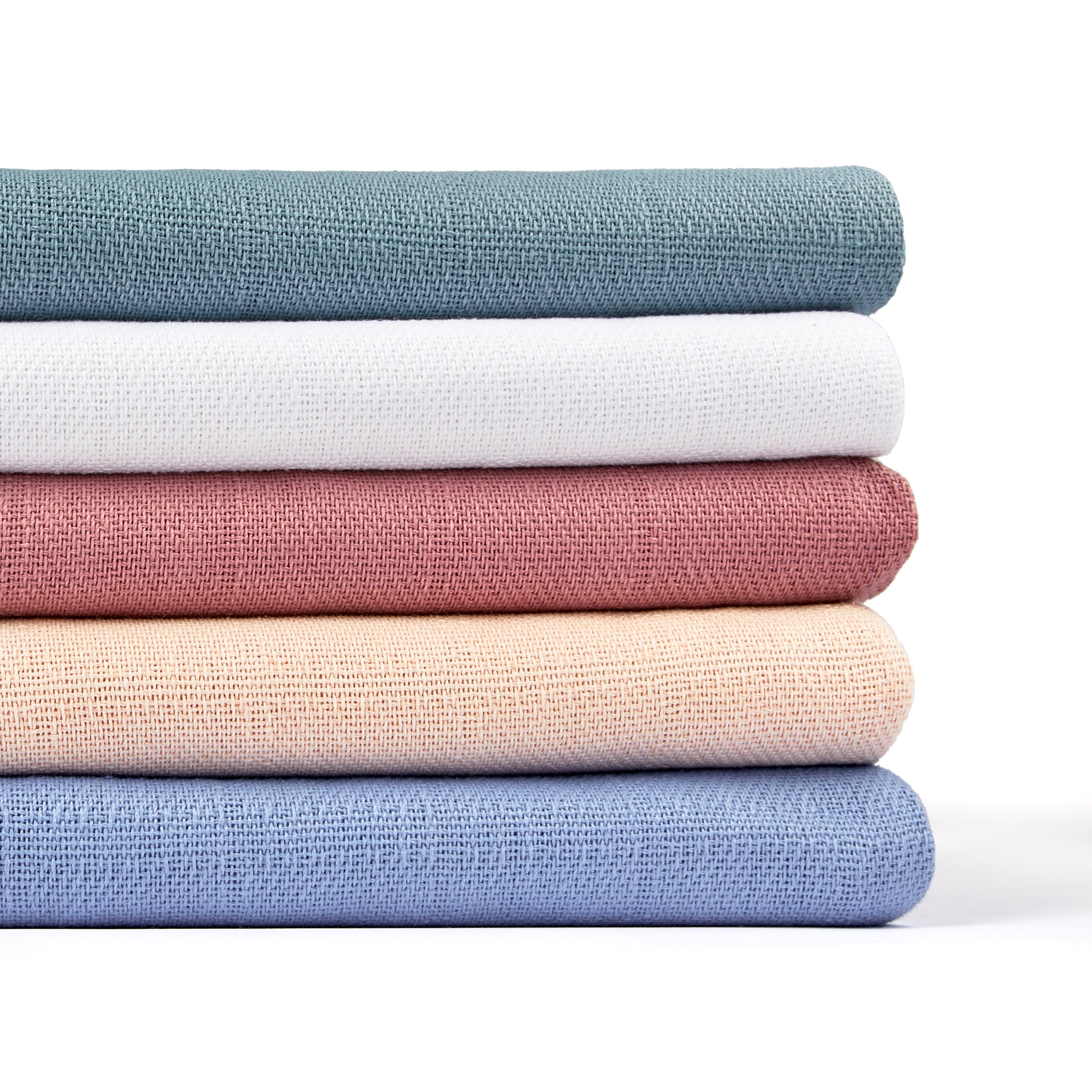
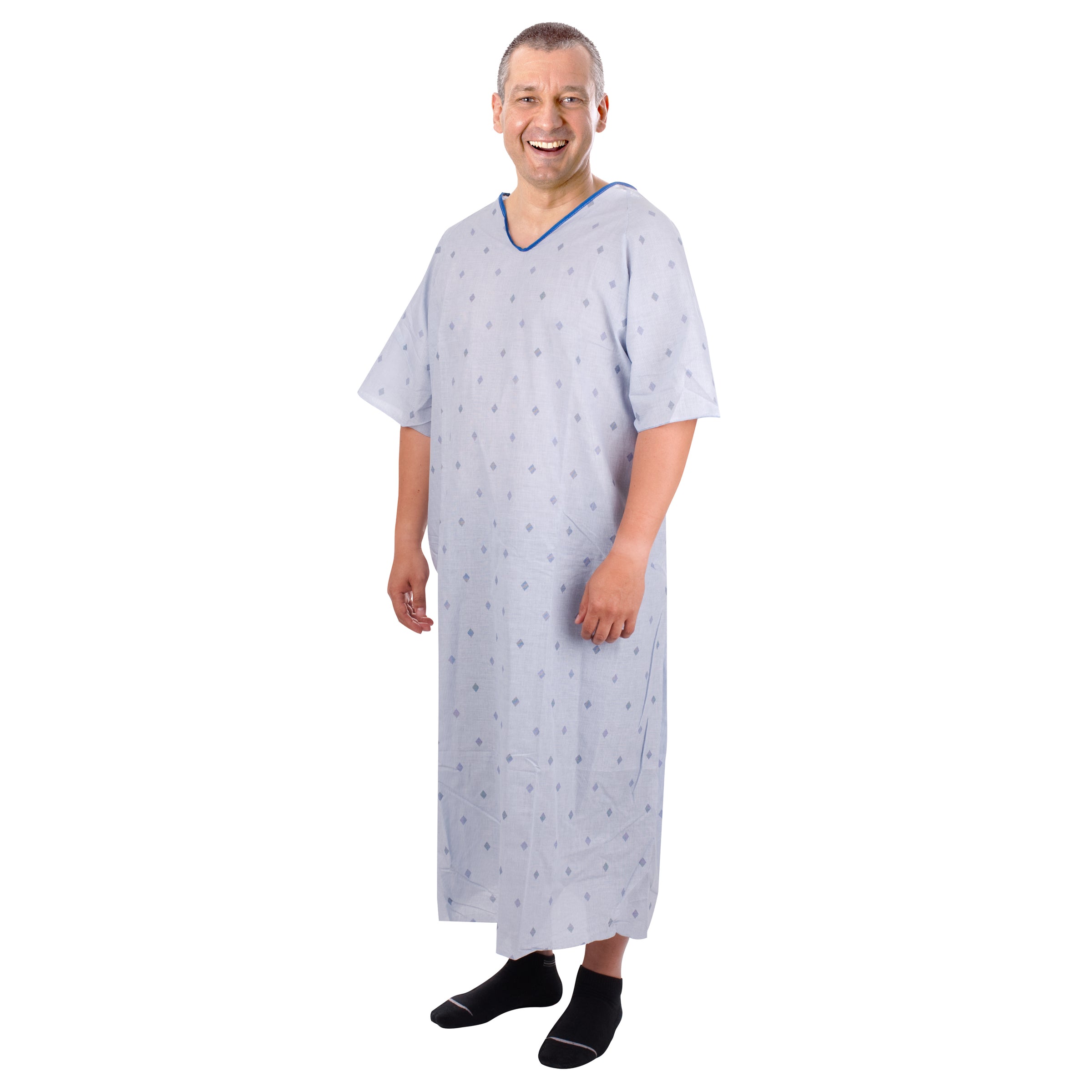
Check out our hospital bath blanket collection page!If you have ever searched for a "bath blanket" and thought, "Wait, is that just a normal blanket?", you are not alone. Retail listings use the phrase in a few ways, and that can get confusing fast. This guide keeps it simple. You will learn what each one is, when each one makes sense at home, and how to pick the right one without overthinking it. Quick answer A bath blanket is commonly defined in care settings as a lightweight cotton blanket used to keep someone warm and covered during a bed bath or a linen change, which also helps protect privacy (Osmosis). A regular blanket is a general term that usually means either a full bed blanket (for sleeping) or a throw (a smaller blanket people keep on a couch or chair) (Amerisleep). What is a bath blanket? In many bed bath checklists, a bath blanket is listed as a basic supply, and it is placed over the person to keep them covered while care is being done (NURSING.com). If you are shopping as a regular household, you might still like the idea for one reason: it is a blanket that is easy to grab for quick coverage, instead of dragging your main bed blanket into the bathroom. What is a regular blanket? Most regular blankets are sold by bed size, and they are usually made larger than the mattress so there is enough overhang on the sides. A throw is typically smaller, and one common size is about 50 inches by 60 inches (Saatva). Bath blanket vs regular blanket: a quick chooser Use this mini checklist to decide in under a minute: You want extra coverage right after a shower. A bath blanket can feel simpler than pulling a comforter off the bed. You want your main sleep layer. A regular bed blanket is built around your mattress size. You want a couch blanket. A throw is easy to fold, store, and move room to room. You want one blanket that does a bit of everything. Start with the size you will reach for most often. 7 key differences between a bath blanket and a regular blanket 1) The most common job they are designed around A bath blanket is regularly described in bathing guides as something you can tuck under or over a person during bathing to provide warmth and help keep linens from getting wet (Kansas State University). A regular blanket is usually chosen for sleeping or lounging, not for the bathing routine itself. 2) The size you will usually see Bath blankets are often sold in sizes like 70 inches by 90 inches in medical supply catalogs, which can help you picture how much coverage you will get (McKesson). Regular blankets vary widely, so the simplest move is to match your bed size, or pick a throw size you know you will actually use. 3) The feel is often more "sheet like" than plush Some bath blankets are described as being napped on both sides to create a soft flannel surface, with blends like cotton and polyester listed for durability (Office Depot). Many regular blankets can be plush, fuzzy, or thick, depending on the material and construction. 4) How they drape on your body Flannel can be brushed to raise fibers and create a nap on one or both sides, which changes the way the fabric feels and hangs (Wikipedia). If you like a blanket that wraps easily around shoulders, pay attention to weight and stiffness on the product page, no matter what it is called. 5) Where you store it matters more for a bathroom blanket Bathrooms can get humid. The CDC recommends keeping indoor humidity as low as you can, no higher than 50%, and using steps like venting to control moisture (CDC). If you keep a bath blanket in the bathroom, a simple habit is to hang it where air can move, or store it outside the bathroom and grab it when you need it. 6) How the term is used online Some consumer bedding guides describe bath blankets as something that can be used both at home and in medical settings, which is part of why shoppers see mixed definitions online (Puffy). When you are shopping, treat the product details as more reliable than the product title. 7) The best way to avoid laundry surprises Care labels exist for a reason. The FTC explains that the Care Labeling Rule requires care instructions on covered textile products so people can clean them properly (FTC). Before you buy, check the listing for washing and drying notes, especially if you want something you can toss in with everyday laundry. How to choose in real life If you want a simple plan, start here: Pick the main spot it will live. Bathroom and bedroom needs are different. Pick the size you will reach for. Bigger is not always better if it stays on a shelf. Pick the feel you like. If you prefer a smoother wrap, look for lighter options. Pick how much you want to wash it. Frequent washing favors easy care. If you are browsing bath blankets for home use, you can start with the bath blanket collection at Trusted Thread (Trusted Thread bath blankets). FAQ 1) What is a bath blanket used for? In caregiving checklists, a bath blanket is used as a covering for privacy while someone is using a bedpan or receiving care (WTCS Pressbooks). At home, people often treat it as a quick grab blanket for coverage right after bathing. 2) Is a bath blanket the same as a throw blanket? A throw is described as smaller than a regular blanket and commonly used for extra warmth when wrapped around shoulders or placed at the foot of the bed (The Spruce). A bath blanket can overlap with that use, but the name is often tied to bathing and care routines. 3) What is a common throw blanket size in the U.S.? Many stores group throws by sizes like 50 inches by 60 inches, which is a common option you will see when shopping (Lowe's). If you want more leg coverage on the couch, you can also look for longer throw sizes. 4) Can I keep a blanket in the bathroom? The EPA says indoor humidity should be kept below 60% if possible, and that better ventilation helps reduce moisture problems (EPA). If your bathroom stays damp, storing the blanket outside the bathroom can be the easiest fix. 5) What size bath blanket should I look for? Bath blankets are often sold in sizes like 70 inches by 90 inches in medical supply catalogs, which can help you picture how much coverage you will get (Medline Industries). If that feels too large for your space, look for smaller "utility" blankets and focus on what you will actually grab and use.
![Bath vs Thermal Blanket: 6 Stocking Tips [2026]](http://trustedthread.com/cdn/shop/articles/Bath-vs-Thermal-Blanket_-6-Stocking-Tips-_2026_612918c3-01c3-4d4d-9324-4f9bd431bcf8.webp?v=1768284594&width=800)
