

by Brian SEO
Bath Blanket Spec Checklist: 15 Must‑Verify Items [2026]
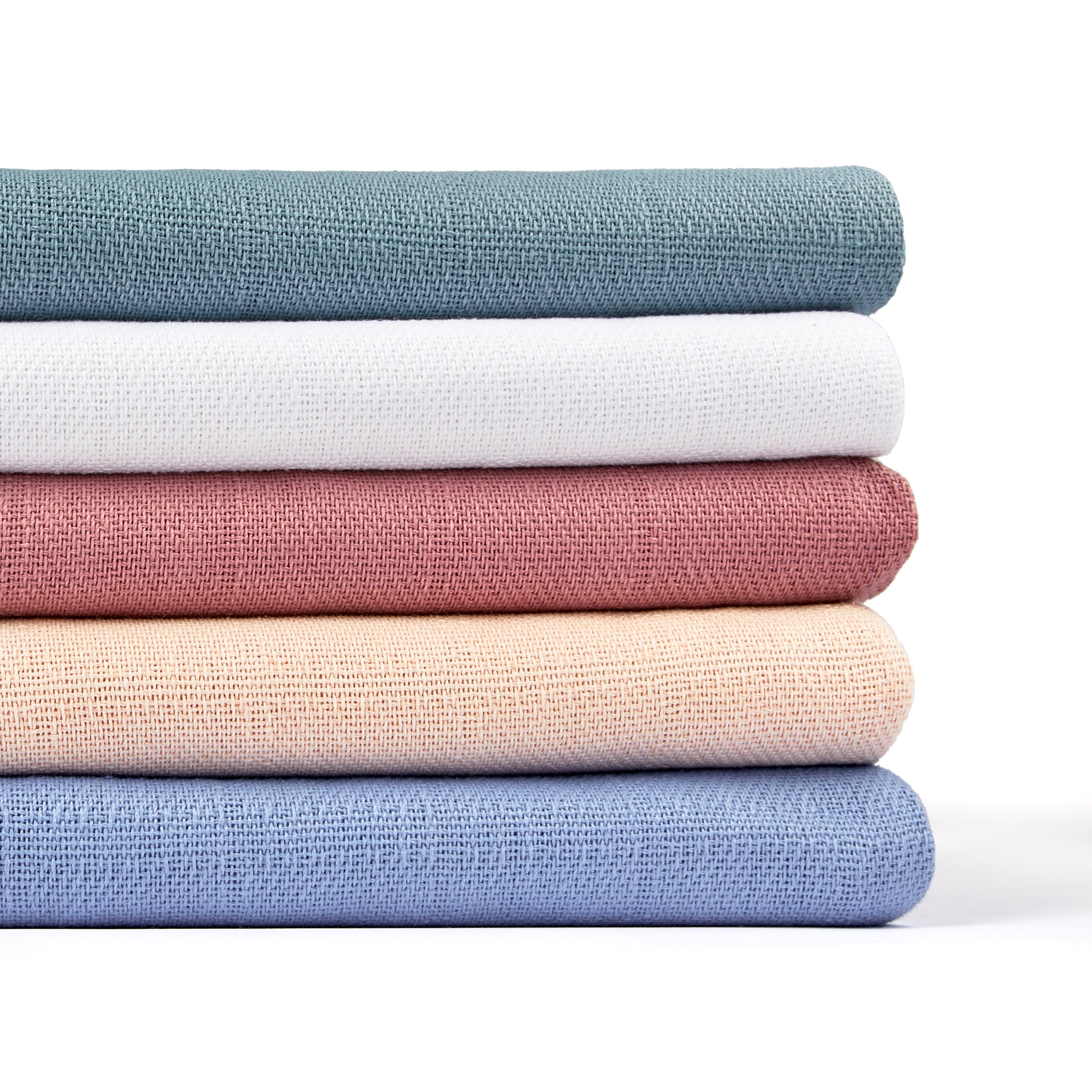
Check out our hospital bath blanket collection page!A bath blanket can look “good enough” on a product page—until you run it through your laundry process, hand it to a guest, or stock it on a unit. This checklist helps you verify the specs that protect comfort, consistency, and your budget. Whether you run a spa, buy for a hospital, or manage linen for a nursing home, the goal is the same: choose bath blankets that feel right, hold up, and are easy to reorder. What is a bath blanket (and why specs matter) A bath blanket is a soft, washable blanket used for warmth and coverage—often in treatment rooms, guest areas, or patient settings. The reason specs matter is simple: they tell you what you’re buying before you commit to a case pack. Common use cases Spa/salon: extra warmth between services, wrap-ups after treatments, cozy coverage in relaxation areas Hospitals: patient warmth, layered bedding, frequent hot washing Nursing homes: daily comfort, repeat laundering, dependable inventory The 15‑item bath blanket spec checklist Use this as a “must‑verify” list when you compare vendors. If a supplier can’t answer one of these clearly, ask for a sample and a written spec sheet. # What to verify Why it matters for your operation What to ask your supplier 1 Fiber content (and exact blend %) Feel, dry time, and how the blanket behaves in your wash routine can vary by blend. “What is the fiber content by percentage, and is it consistent across reorders?” 2 Construction type (woven/knit/thermal weave) Construction affects stretch, snag risk, and how it lays on the body. “What is the construction, and what’s the best use case for it?” 3 Fabric weight (as listed on the spec sheet) Weight helps you compare warmth and bulk across options. “What is the stated fabric weight, and how is it measured?” 4 Softness and “hand feel” (sample check) You want comfort people notice—in a spa chair or a patient bed. “Can you send a sample from the same production run as the bulk order?” 5 Breathability vs. warmth (your setting’s balance) Some spaces need cozy warmth; others need lighter coverage. “Is this designed for lightweight coverage, midweight warmth, or heavy warmth?” 6 Finished size (and tolerance) Size changes coverage, folding, storage, and how it fits carts and shelves. “What is the finished size, and what’s the tolerance range?” 7 Shrinkage expectation after laundering Shrinkage changes coverage and can throw off linen par levels. “What is the expected shrinkage range after wash and dry?” 8 Wash temperature compatibility Your laundry program may use higher temps or specific cycles. “What wash conditions is this tested for (temperature, cycle type)?” 9 Chemical tolerance (bleach/disinfectants when used) Some programs use stronger chemistry than others. “What chemicals are compatible, and what should be avoided?” 10 Dry time and lint behavior Drying speed affects throughput; lint affects filters and housekeeping time. “Any notes on dry time or linting during early washes?” 11 Color/whiteness stability Consistent appearance supports a clean, professional look. “How is colorfastness or whiteness performance documented?” 12 Pilling, snagging, and abrasion resistance Surface wear is what guests and staff notice first. “Do you have test notes or user feedback on pilling or snagging?” 13 Edge finish (hem/binding) and seam strength Strong edges help prevent fraying and early failures. “How are edges finished, and what’s the seam construction?” 14 Labeling and traceability Clear labels support inventory control and compliance files. “What label information comes standard, and can you provide a spec sheet?” 15 Safety documentation (when required) Some organizations require proof of testing for certain textile uses. “What safety documentation can you provide for this product?” Quick spec priorities by setting Use these “priority stacks” to guide your short list. Spa/salon Start with feel (sample in-hand), then check weight and dry time Favor options that look neat after folding and don’t snag easily Keep reorders simple: match fiber content, size, and color Hospital procurement Start with wash compatibility, then confirm shrinkage and labeling Ask for a spec sheet you can file for the next audit or bid cycle Consider how the blanket fits carts, shelves, and standard folds Nursing homes Start with daily comfort, then confirm handling and storage fit Keep labeling and reorder consistency tight—staff time is precious The documentation checks that save headaches This is the part many teams skip—until they need paperwork. Textile labeling: In the U.S., most textile products covered by the Textile and Wool Acts need labels that disclose fiber content, country of origin, and the responsible company name or RN (Registered Identification Number) per FTC guidance in “Threading Your Way Through the Labeling Requirements Under the Textile and Wool Acts” (Federal Trade Commission). Healthcare laundry handling: CDC infection-control guidance includes a dedicated section on “Laundry and Bedding” for health-care facilities, covering how to manage contaminated textiles and reduce risk during handling and processing (CDC). Long-term care linen handling: AHCA/NCAL’s “Tips for Meeting the Linen Requirements in Skilled Nursing Facilities” calls out policies for how personnel handle, store, process, and transport linen to help prevent the spread of infection (AHCA/NCAL). Flammability standard reference: If your organization requests a flammability reference for textiles intended for clothing-type use, 16 CFR Part 1610 is the federal flammability standard for clothing textiles (Legal Information Institute, Cornell Law School). Where the rule is published: CPSC’s business guidance points to 16 CFR Part 1610 as the location of the general wearing apparel flammability requirements in the CFR (U.S. Consumer Product Safety Commission). A simple sample test you can run before buying in bulk If you can get a sample, run a quick check that mirrors your real life. Wash and dry it 3 times using your usual settings. Check size (before and after), plus edges and surface wear. Feel test: Does it still feel good after drying? Visual check: Any pilling, fuzzing, or rough spots you wouldn’t want on skin? Operational check: Did it create extra lint or slow down drying? Copy/paste: bath blanket spec checklist (one page) Use this section as your print-friendly worksheet. Fiber content and blend % Construction type Fabric weight (as listed) Sample approved for hand feel Warmth level fits the setting Finished size + tolerance Shrinkage expectation Wash temperature compatibility Chemical tolerance notes Dry time and lint notes Color/whiteness stability notes Pilling/snags/abrasion notes Edge finish + seam strength Labeling + traceability Safety documentation (if required) Next steps with Trusted Thread When you’re ready, you have three easy options: Shop a bath blanket collection that matches your setting and wash routine Contact sales for help matching specs to your operation Request the checklist as a clean, one-page file your team can reuse Checkout: Snag Free Hospital Thermal Blankets - White - Cotton Poly Blend - 66" x 90" FAQ (5 questions) 1) What should I ask for first when I’m comparing bath blankets? Start with the spec sheet and a sample. If you can’t get both, start with fiber content, finished size, and shrinkage expectations so you can plan coverage and storage with confidence. 2) Do bath blankets need special labeling? If your bath blankets fall under U.S. textile labeling rules, verify the label includes the basics (fiber content, country of origin, and responsible company identity). Once you have that filed, reorders get simpler because you can match the same spec again. 3) What’s the safest way to handle used bath blankets in healthcare settings? Follow the same thinking you use for other soiled linens: reduce unnecessary handling, keep workflows consistent, and train staff on the steps that fit your facility’s infection-control program. 4) Should nursing homes handle bath blankets differently than spas? Often, yes—because long-term care focuses more on repeat laundering and staff workflows. Keep the specs consistent and make sure your handling and storage process is clear for the team. 5) When do I need flammability paperwork? Only if your organization or buyer requires it for the way the textile will be used. If it comes up, ask the supplier what documentation they provide and make sure it matches the requirement you’re being asked to meet.


![Hospital Bath Blanket Sizes: 4 Standard Options [2026]](http://trustedthread.com/cdn/shop/articles/Hospital-Bath-Blanket-Sizes_-4-Standard-Options--_2026_c6e7ba00-353b-41ea-aa8b-c37f9a9a37fa.webp?v=1768287055&width=800)

