

Kitchen Towels = 2
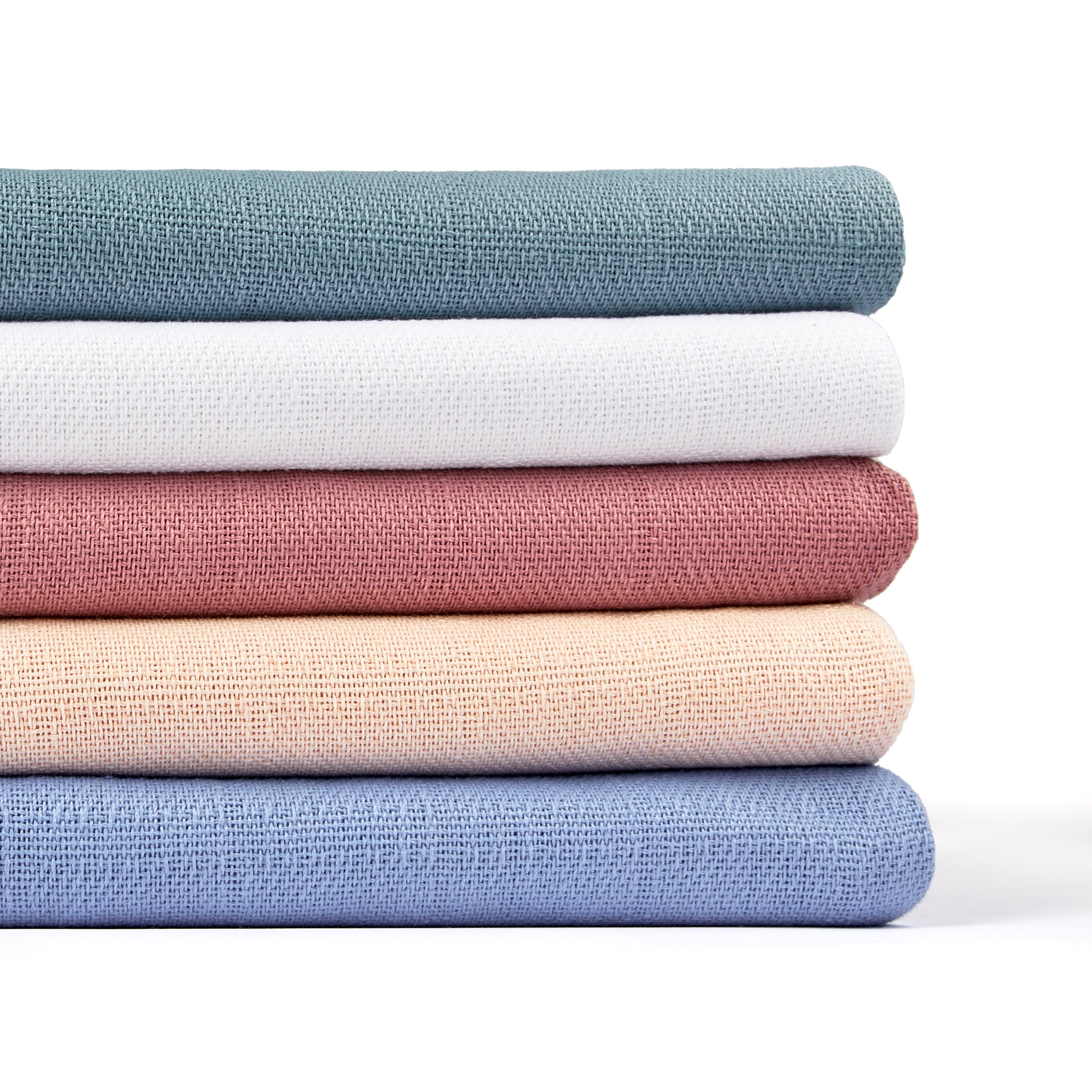
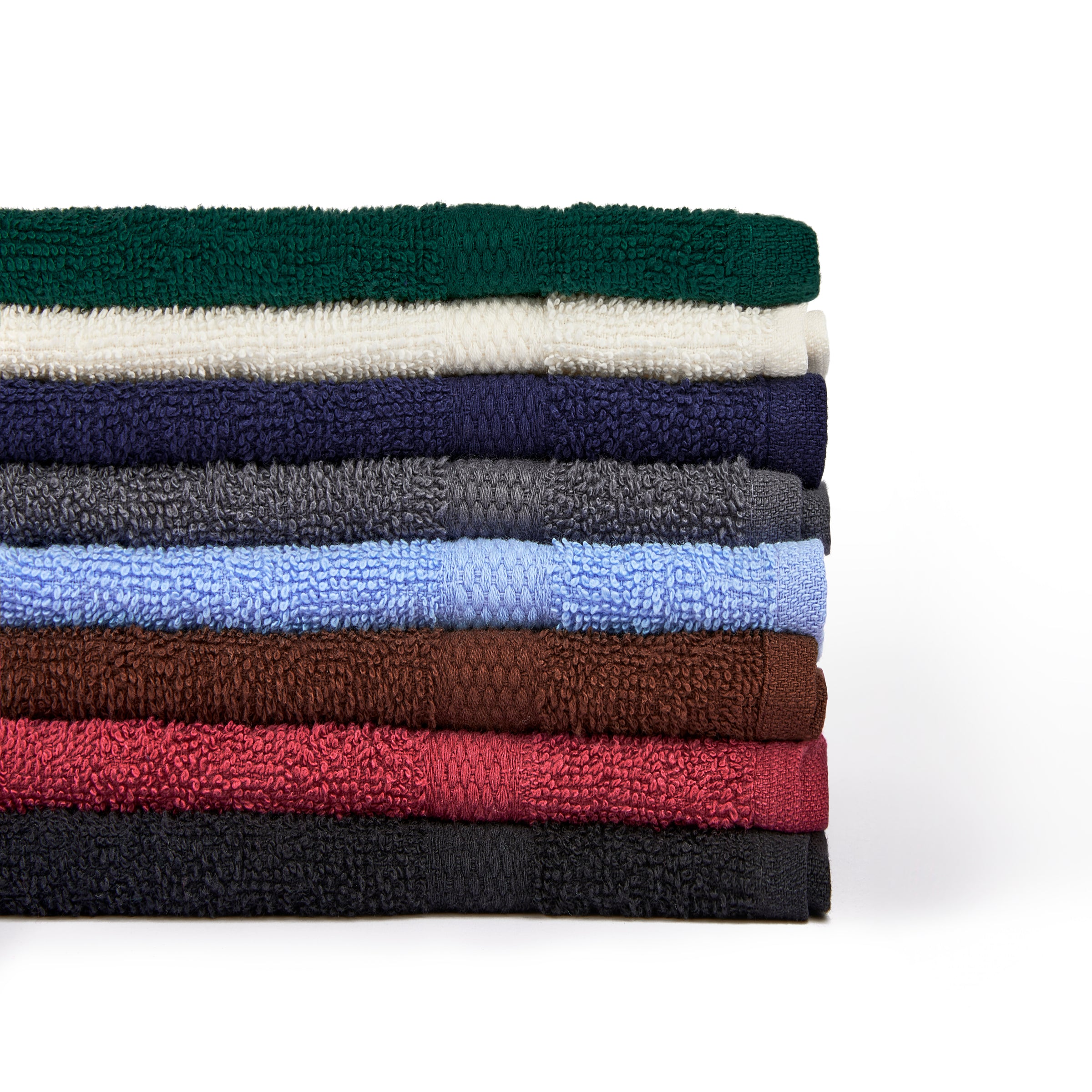
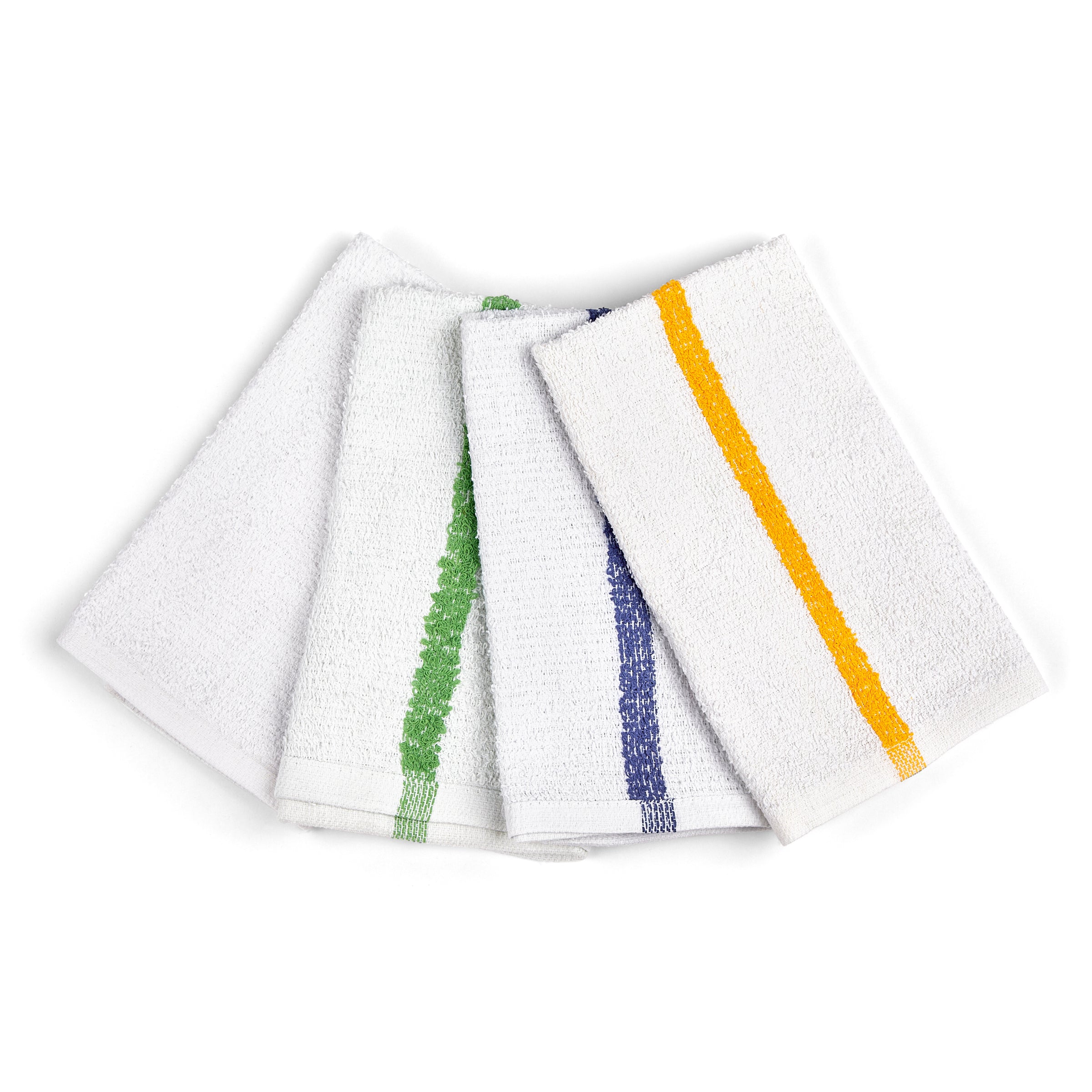
Upgrade your kitchen with Trusted Thread wholesale kitchen towels built for busy homes and hospitality teams. Woven from 100% cotton in a durable herringbone pattern, these towels deliver high absorbency with a lint-free finish for sparkling glassware and streak-free surfaces. Available in multiple weights and stripe colors, they handle frequent laundering and stay soft, meal after meal. Perfect for restaurants, caterers, bakeries, and anyone who cleans all day.
Order Trusted Thread Wholesale Kitchen Towels today—shop now and keep every wipe, dry, and cleanup covered with durable, ready-to-work softness.
View

Frequently Asked Questions
Kitchen towels come in cotton, linen, and microfiber—each suited for drying, cleaning, and polishing. This FAQ covers absorbency, lint, hygiene, washing tips, and choosing the best towel for everyday kitchen use.
What is the difference between a tea towel and a kitchen towel?
expand_more
A tea towel is usually thinner, smoother, and often decorative—great for drying dishes and covering baked goods. “Kitchen towel” is a broader term that includes dish towels, bar mops, and cleaning towels used for drying, wiping, and general kitchen tasks.
What material is best for kitchen towels?
expand_more
For most kitchens, 100% cotton is the best all-around choice because it’s absorbent, durable, and easy to wash. Linen dries faster and resists odors well, while microfiber is best for streak-free cleaning but can be less ideal for high-heat tasks.
Are microfiber kitchen towels better than cotton?
expand_more
Microfiber is excellent for cleaning (grabbing grease and dust, leaving fewer streaks). Cotton is usually better for drying dishes and hands because it’s more heat-tolerant and often feels nicer, while also absorbing water in a more “natural” way.
What are flour sack towels used for?
expand_more
Flour sack towels are lightweight cotton towels that are lint-minimal, highly versatile, and great for:
- drying glassware
- covering dough
- straining (in a pinch)
- polishing stainless steel
They tend to get more absorbent after a few washes.
What does GSM mean for kitchen towels?
expand_more
GSM (grams per square meter) indicates fabric weight:
- 200–300 GSM: lighter, faster drying (good for glassware/tea towels)
- 300–450 GSM: balanced everyday dish towels
- 450+ GSM: thick, very absorbent (good for hands and big spills)
What are the most absorbent kitchen towels?
expand_more
Thicker cotton terry (like bar mop towels) is typically the most absorbent. For quick drying with less bulk, linen is also highly effective because it releases moisture faster and can feel fresher between washes.
How do you wash kitchen towels so they don’t smell?
expand_more
Wash towels in hot water when possible, avoid fabric softener, and dry them fully. For stubborn odors, add one of these:
- White vinegar in the rinse
- Baking soda with detergent
- An occasional oxygen bleach soak (color-safe)
Should you use fabric softener on kitchen towels?
expand_more
Usually no. Fabric softener and dryer sheets can leave a coating that reduces absorbency and may trap odors. If you want softness, use vinegar in the rinse instead.
How often should you change kitchen towels?
expand_more
A good rule:
- Daily for hand-drying towels
- Every 1–2 days for dish-drying towels (or sooner if damp/used on raw foods)
- Immediately after wiping raw meat juices or big spills
How do you disinfect kitchen towels?
expand_more
To reduce germs:
- Wash on hot with a good detergent
- Use oxygen bleach or a laundry sanitizer when needed
- Dry thoroughly (heat helps)
Also: keep separate towels for hands, dishes, and cleaning to reduce cross-contamination.
What’s the best kitchen towel for drying glasses without lint?
expand_more
Look for lint-free cotton (like flour sack) or linen with a tight weave. Avoid heavily textured terry towels for glassware if lint drives you crazy.
How many kitchen towels should a household have?
expand_more
Most homes do well with 8–16 kitchen towels, so you can rotate through:
- 2–4 for hands
- 2–4 for dishes/glassware
- 4–8 for cleaning/spills
More helps if you cook a lot or prefer fresh towels daily.


